





How to Layer Necklaces: The Complete Fine Jewelry Guide
Layered necklaces look effortless. Getting there takes about five minutes of knowing what you're doing.
The good news: there are only a few principles worth learning, and once you have them, you'll never stand in front of your jewelry box unsure of where to start again.
The Length Rule — Start Here
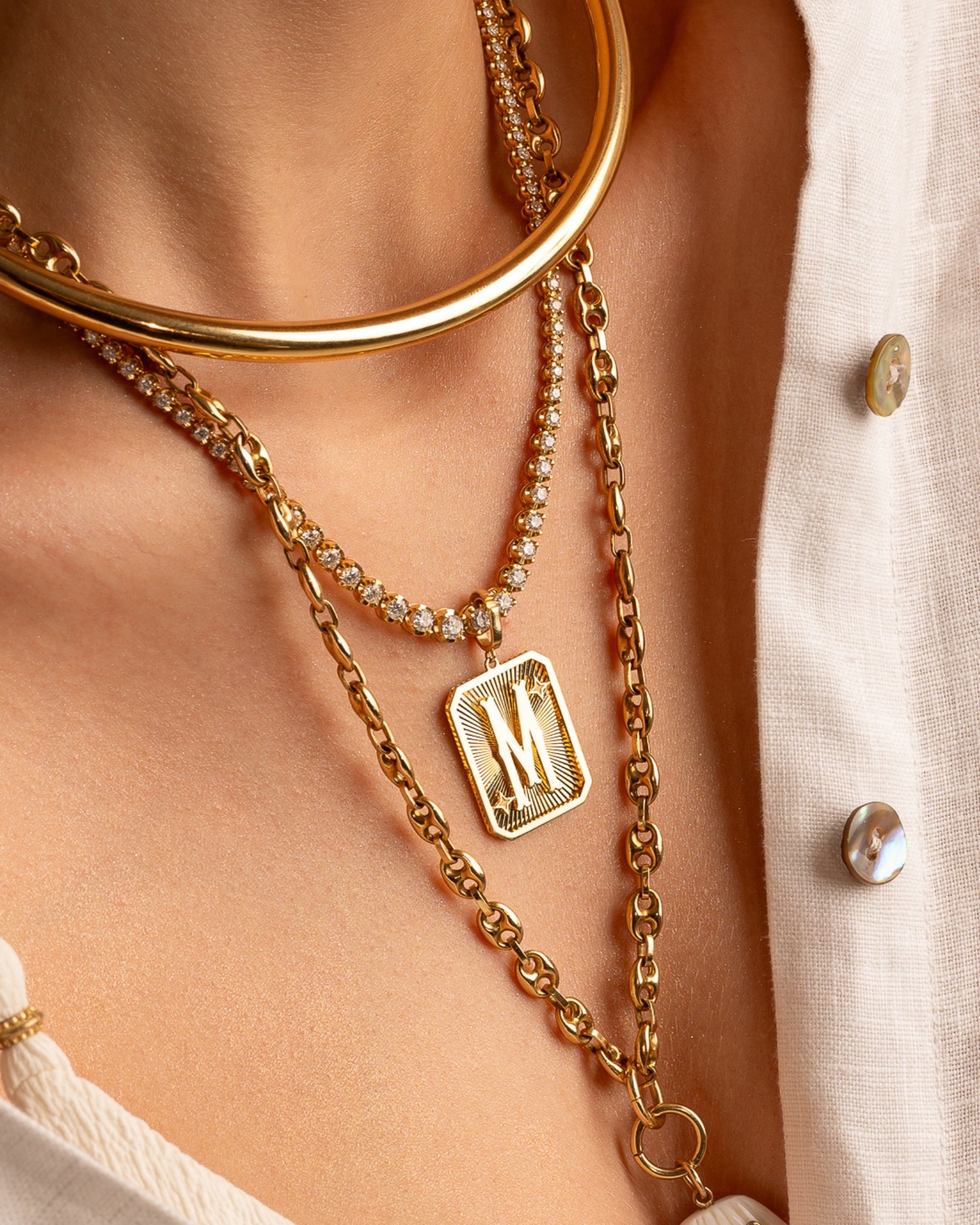
The foundation of any good necklace stack is length differentiation. Each piece needs its own space on your chest, with at least two inches between layers. A common starting point:
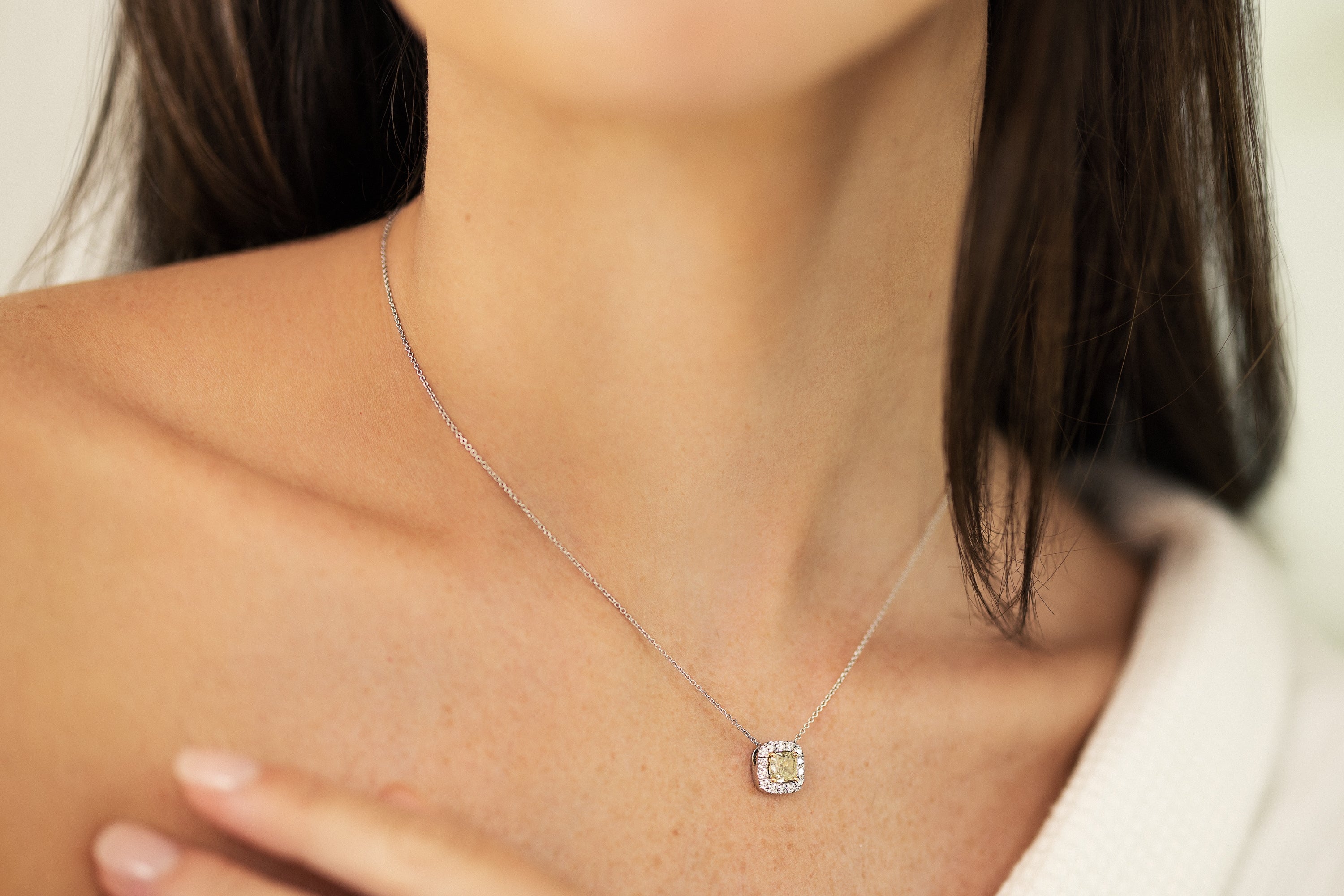
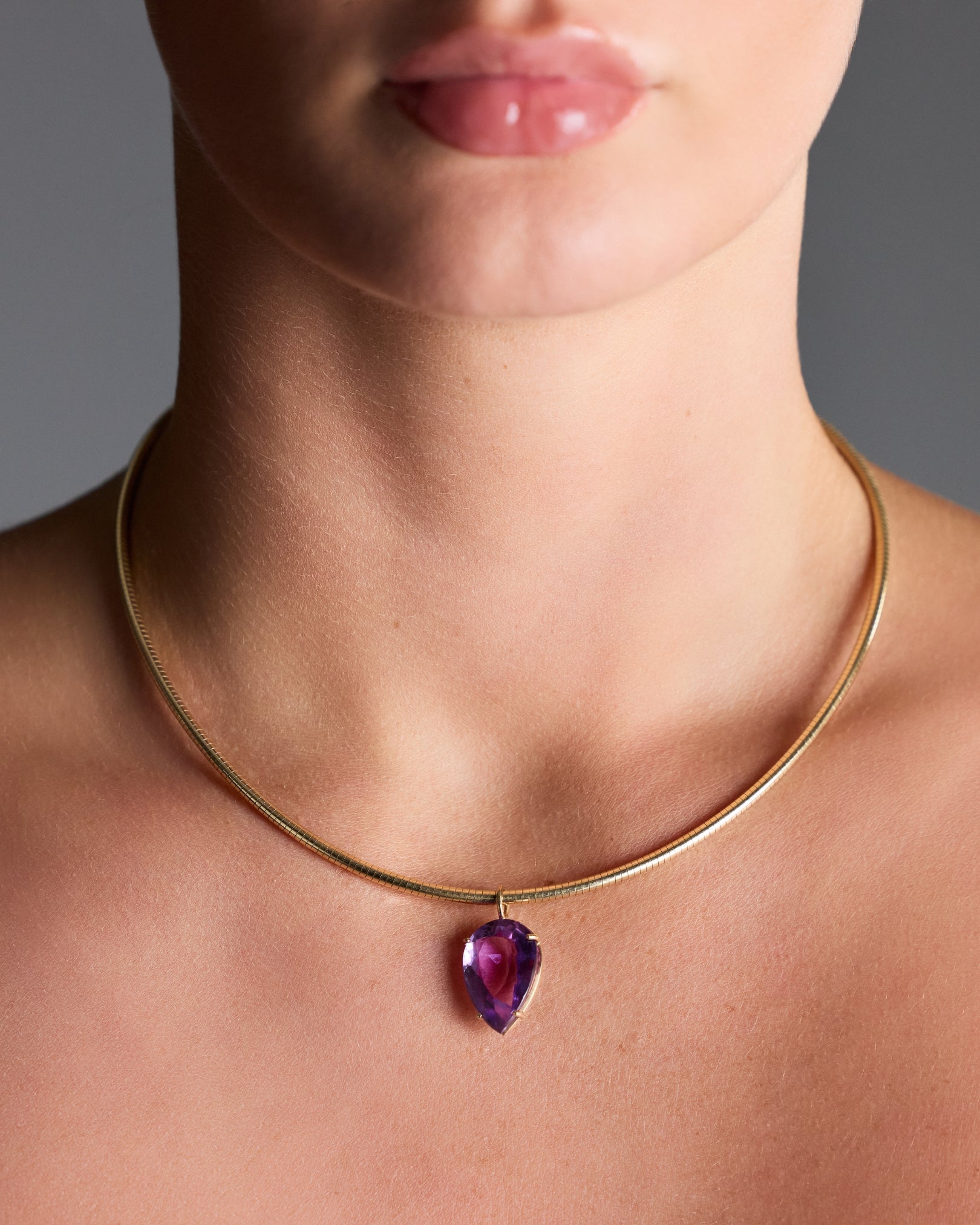
- 14–16 inches — sits at the collarbone, your anchor piece
- 18 inches — sits just below the collarbone, your mid layer
- 20–24 inches — falls onto the chest, your longest and most statement-making piece
When you follow this structure, each necklace reads as its own distinct layer. When you don't, they tangle, compete, and disappear into each other.
The One Rule for Mixing Metals
Mixing metals looks intentional when you commit to it and accidental when you don't. The key is to let one metal dominate — 70% yellow gold, for example — and treat the other as an accent. A single white gold pendant layered with two yellow gold chains reads as deliberate. Equal amounts of both reads as undecided.
At JJ Jewelry, most of our clients stack within the same metal family and vary texture instead — a solid gold chain with a pavé pendant, or a bezel-set station necklace with a delicate lariat.

Mixing Textures and Silhouettes
This is where layering gets interesting. The most successful stacks mix:
- A chain (solid gold, link, or rope) for weight and structure
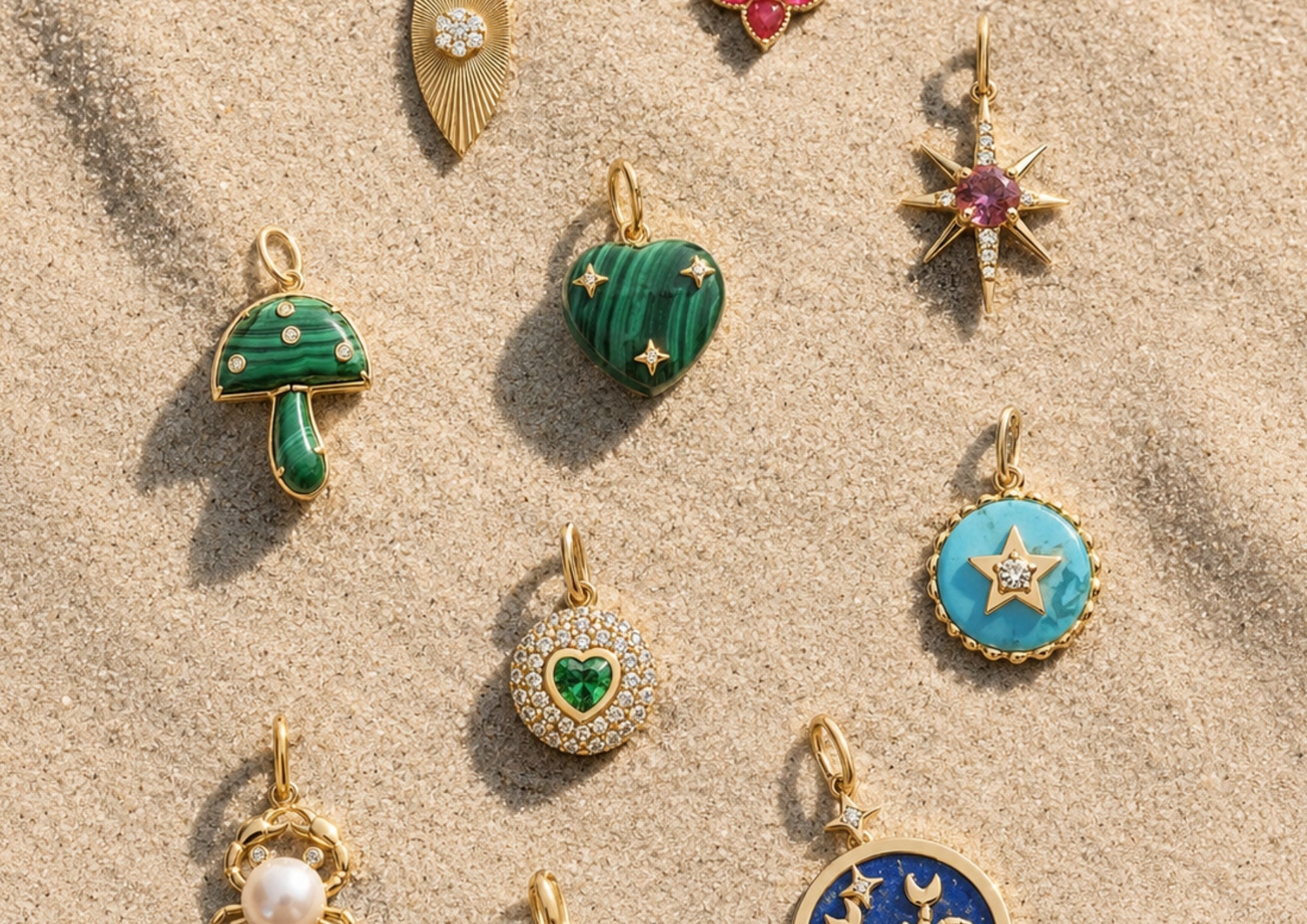
- A pendant or charm for personality and focal point
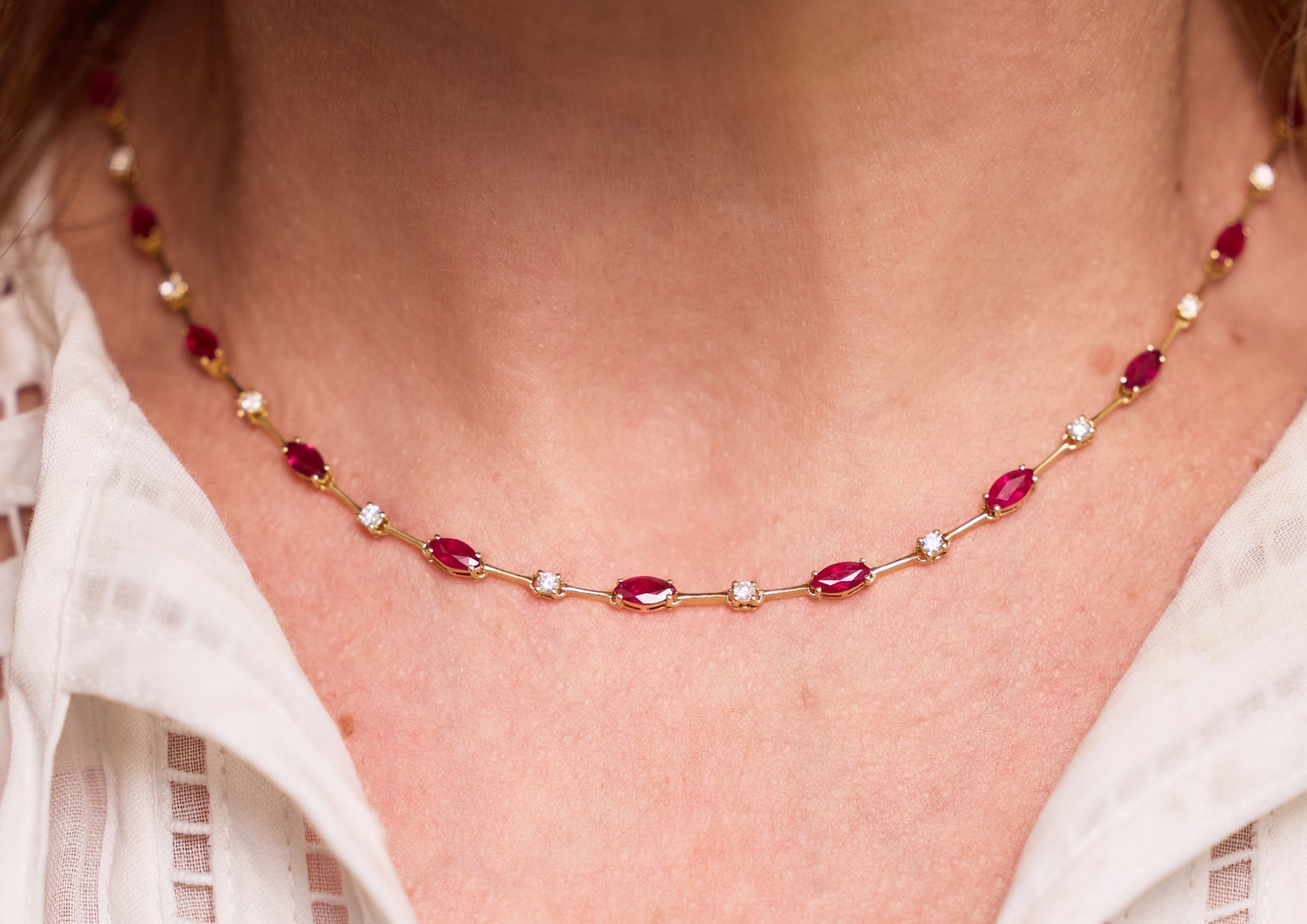
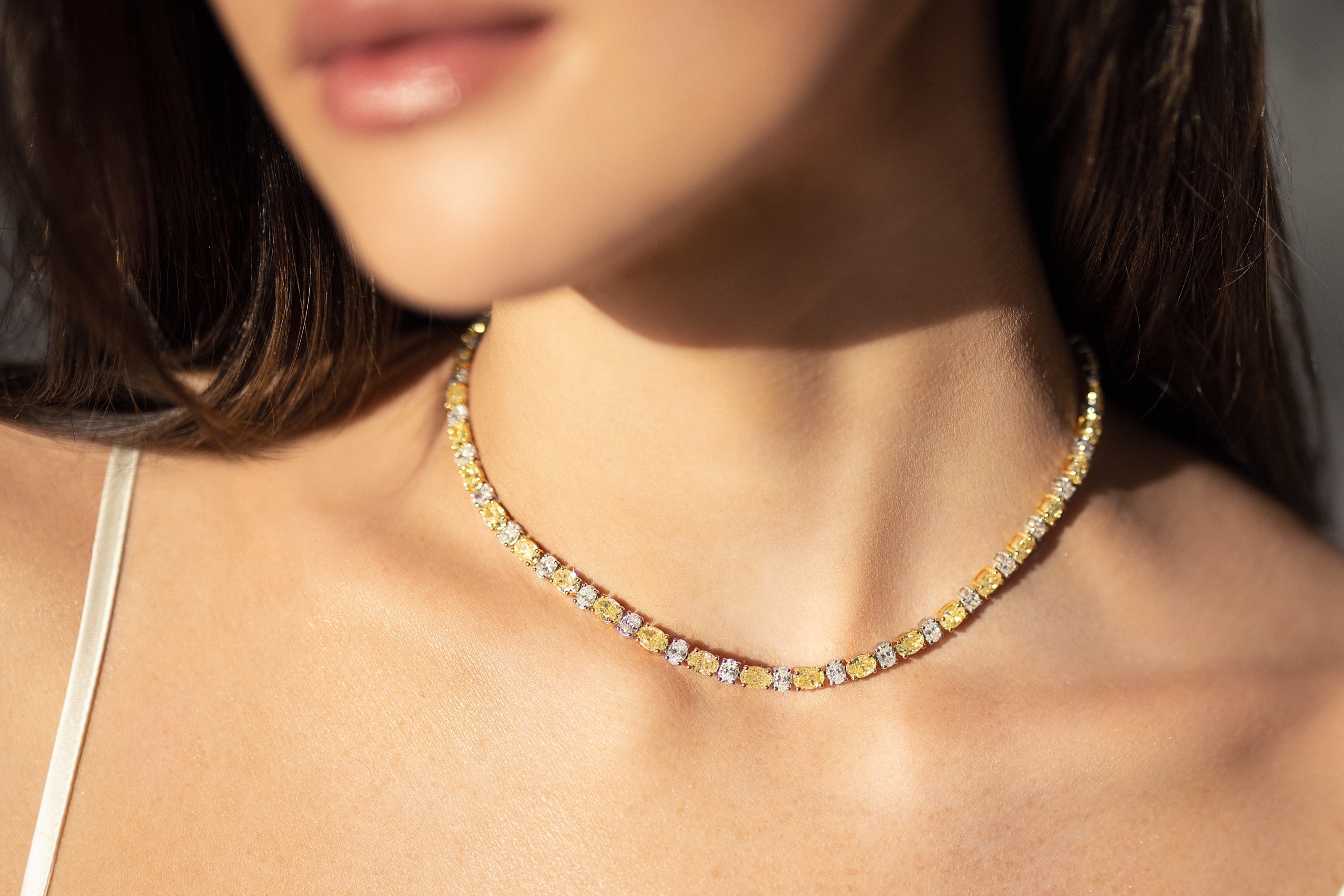
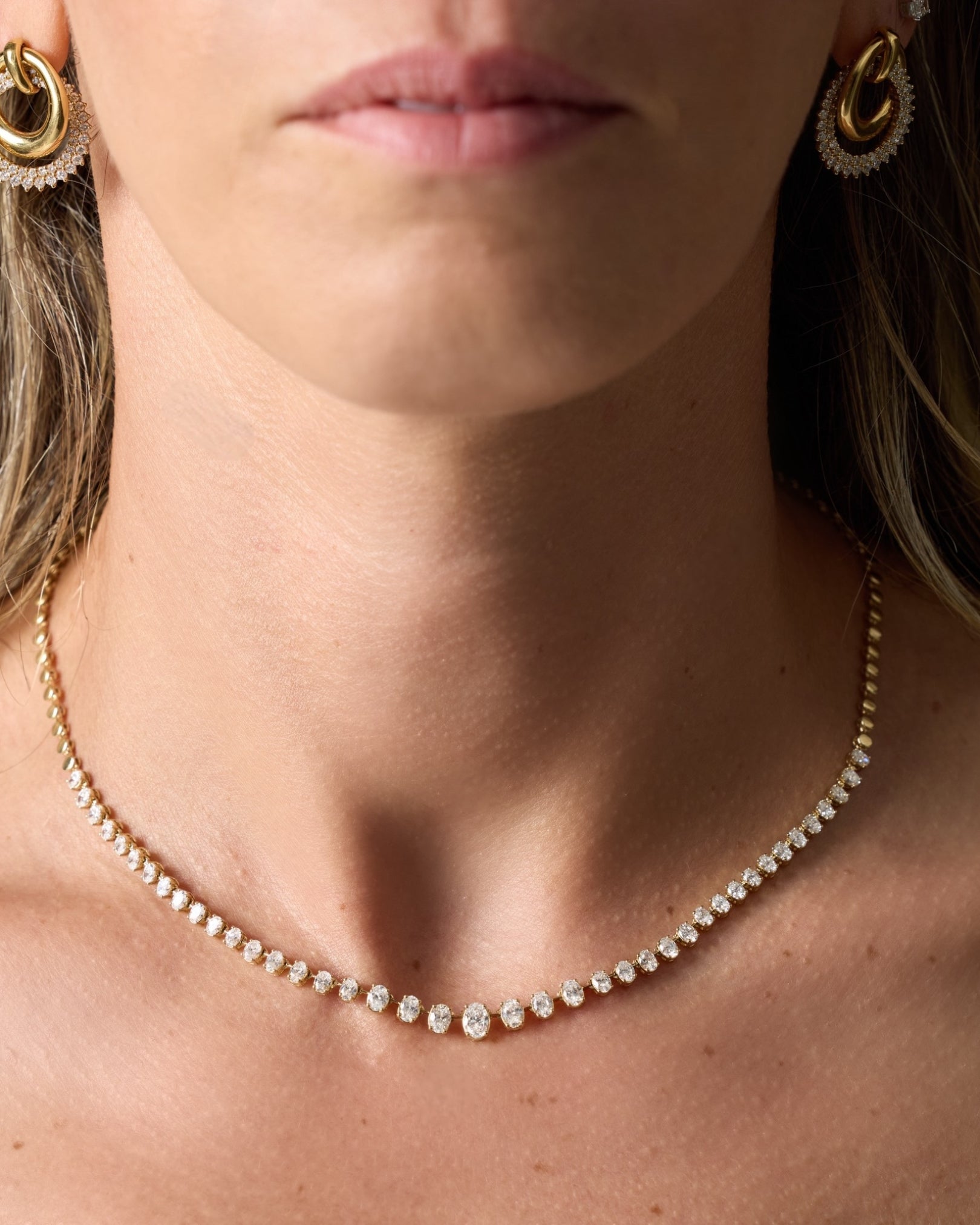
- A tennis or station necklace for brilliance and movement
The chain gives the stack its backbone. The pendant adds meaning. The diamond piece catches the light and makes the whole look feel finished.
Shop necklaces: jjjewelryshop.com/collections/necklaces

How Many Necklaces Is Too Many?
Two layers read as intentional and polished. Three layers read as editorial and confident. Four or more is a statement — and it works, but requires attention to spacing and weight.
When in doubt, start with two and build from there. The best stack is the one that feels like you — not the one with the most pieces.
The JJ Starting Point
If you're building your first layered look, start with a diamond station necklace at 16 inches as your foundation — it's versatile enough to pair with anything — and layer a pendant or charm necklace below it. From there, add a longer chain when you want more dimension.
FAQ
How do you layer necklaces without them tangling?
The key is length differentiation — keep at least 2 inches between each necklace. Also, avoid wearing chains of similar weights, as heavier chains tend to pull lighter ones out of place. If tangling is a recurring problem, try wearing a shorter pendant on a rigid chain or choker as your top layer
What necklace lengths work best for layering?
A classic starting point is 16 inches at the collarbone, 18 inches just below it, and 20–22 inches falling onto the chest. This three-length formula creates clear visual separation between each layer and works across necklines and body types.
Can you mix gold and silver necklaces when layering?
Yes — but let one metal dominate. The most effortless mixed-metal stacks have one metal at roughly 70% of the look, with the other used as an accent. Avoid a 50/50 split, which can read as accidental rather than intentional.
What is the easiest necklace combination for beginners?
Start with two pieces: a diamond or gold station necklace at 16 inches, and a pendant necklace at 18–20 inches. These two alone create a polished, finished look that works with almost any outfit. Once you're comfortable, add a third layer for more dimension.
What type of necklace makes the best anchor layer?
A tennis necklace or a diamond station necklace at collarbone length makes the best anchor — it's substantial enough to be the foundation without competing with the layers above or below it. From there, you can add lighter chains and pendants that respond to its structure.