



Diamond Ring Settings Explained: Bezel vs Prong vs Pavé
You've found the diamond. Now comes the question nobody warns you about: how it's set makes all the difference.
The setting holds your stone in place, shapes the ring's silhouette, and determines how much light reaches the diamond. It also determines how the ring feels on your hand every single day. And if you're buying fine jewelry to wear — not to lock in a safe — that last part matters most.
At JJ Jewelry, we design rings that move with you. Here's what you need to know about the three settings we work with most.
The Bezel Setting: Built for Real Life
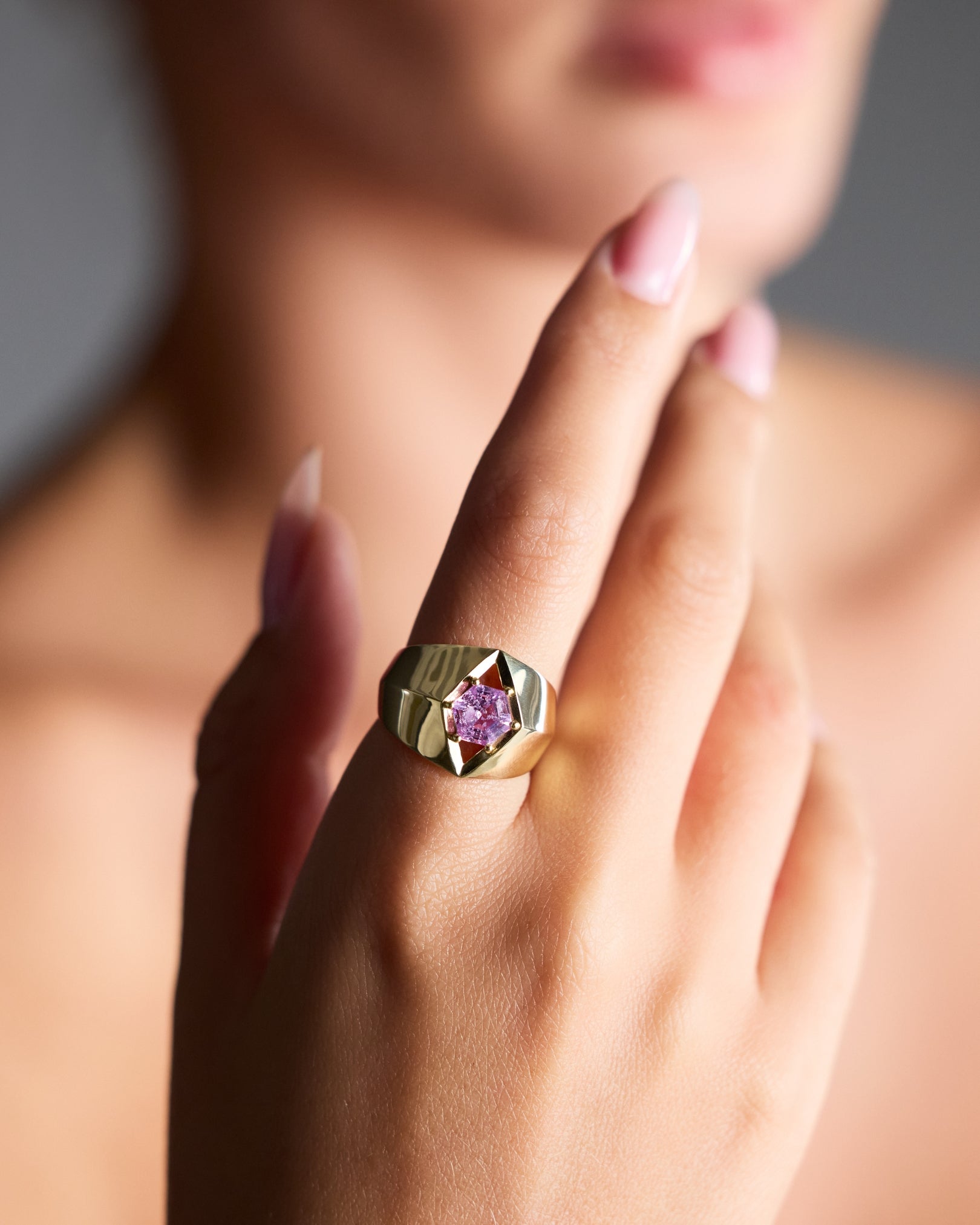
A bezel setting wraps a thin band of gold entirely around the diamond's girdle, securing it flush to the band. It's the most protective setting in fine jewelry, the most modern in silhouette, and — in our opinion — the most wearable.
Why we love it: The diamond sits low and secure. There are no prongs to snag on fabric or scratch your skin. It works as well at the gym as it does at a dinner table. And the clean line of gold framing the stone gives it an architectural quality that reads as effortlessly sophisticated.
Who it's for: The woman who wants to wear her ring every single day — through meetings, workouts, travel, and everything in between — without thinking about it.
Shop bezel jewelry: jjjewelryshop.com/collections/bezel-jewelry

The Prong Setting: Classic, Bright, Iconic
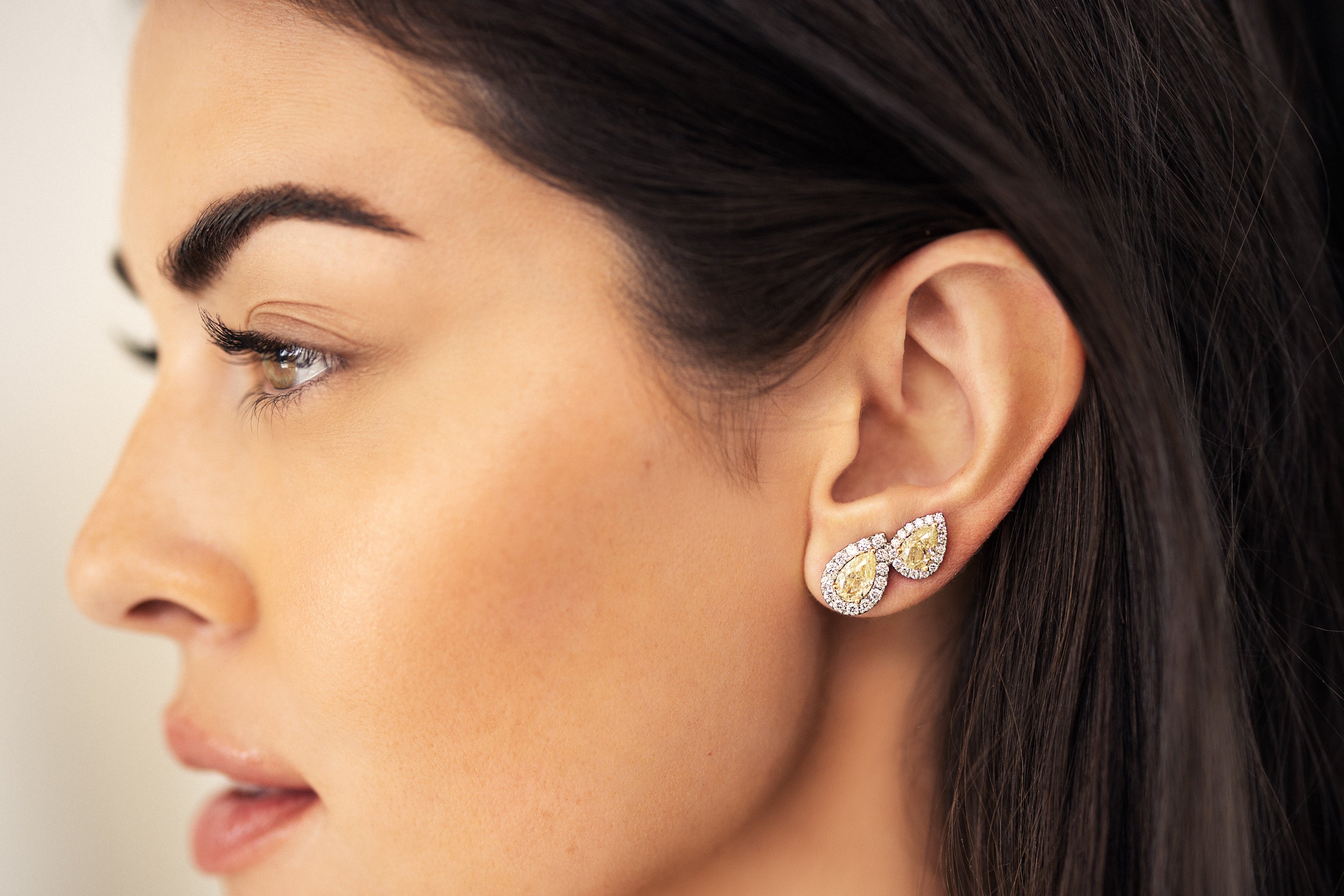
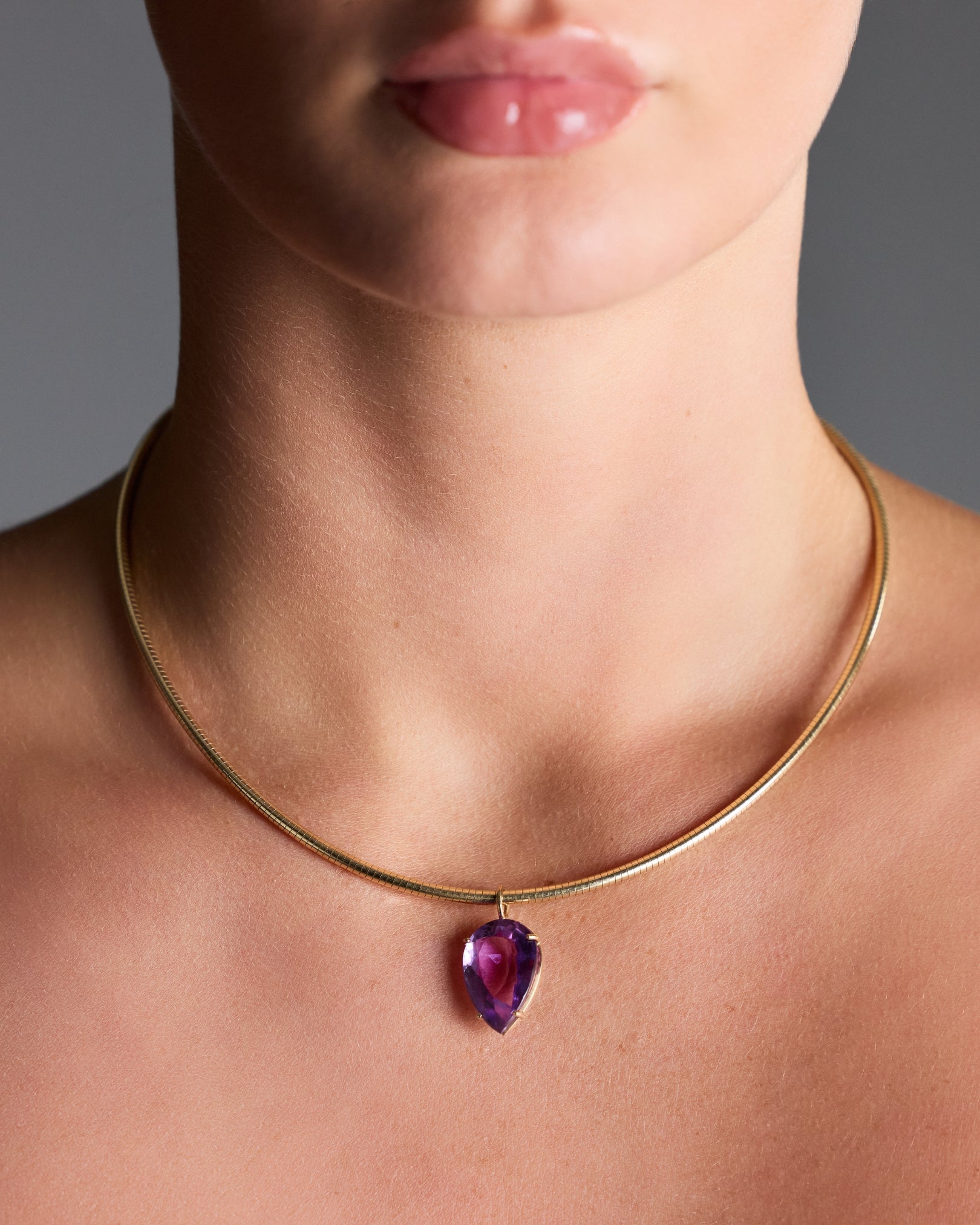
Prong settings use four or six small metal claws to hold the diamond above the band, exposing as much of the stone as possible to light. This is the setting most people picture when they think of a diamond ring.
Why we love it: More light enters the diamond from every angle, which means more brilliance. The stone appears larger than it actually is. It's the setting that makes a diamond perform at its most dramatic.
Who it's for: The woman who wants her diamond to be the first thing anyone notices — no apologies, full sparkle.
The trade-off: Prongs can catch on knits, hair, and fabric. They require occasional maintenance to ensure the claws haven't loosened over time.

The Pavé Setting: Texture, Shimmer, and Surface
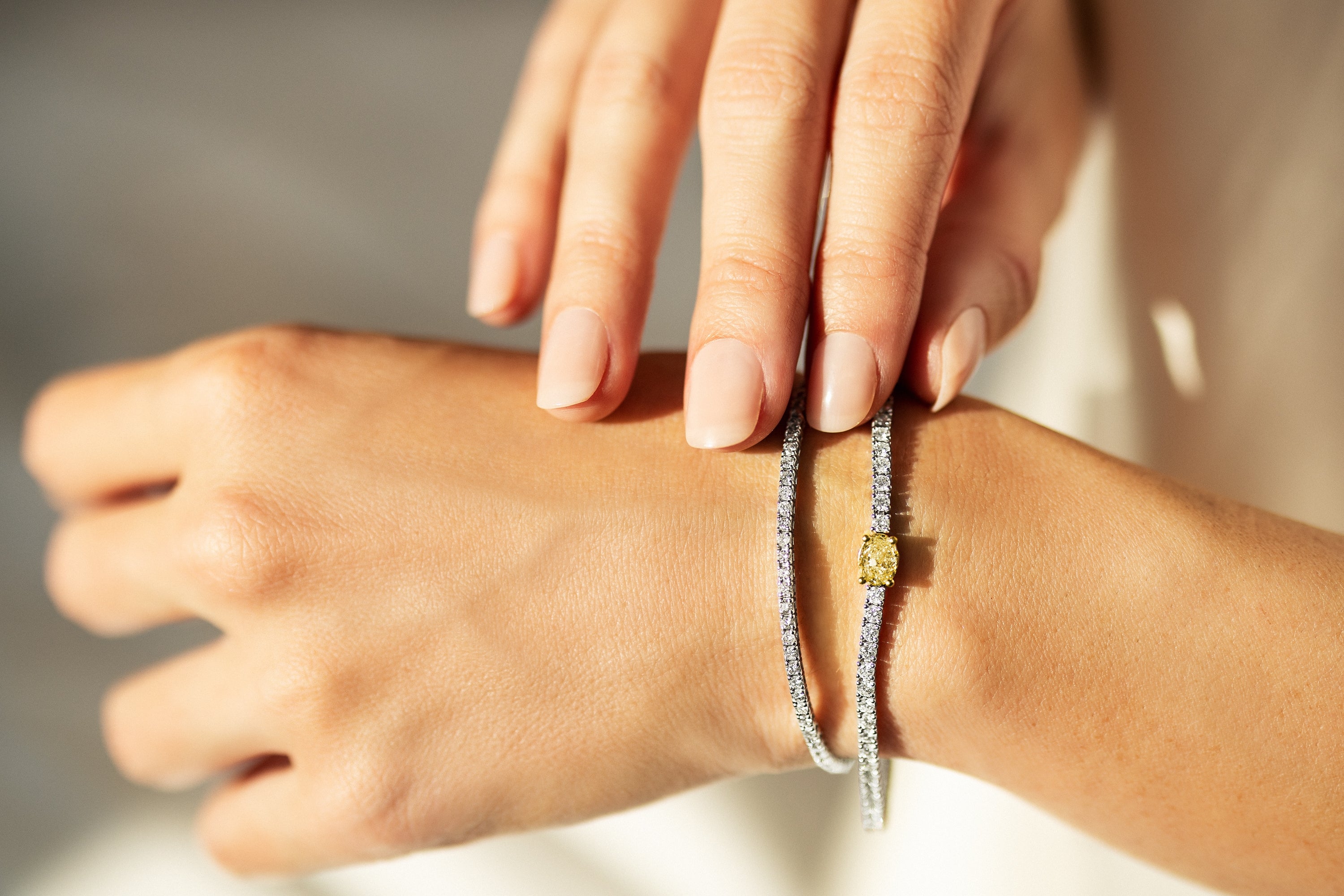
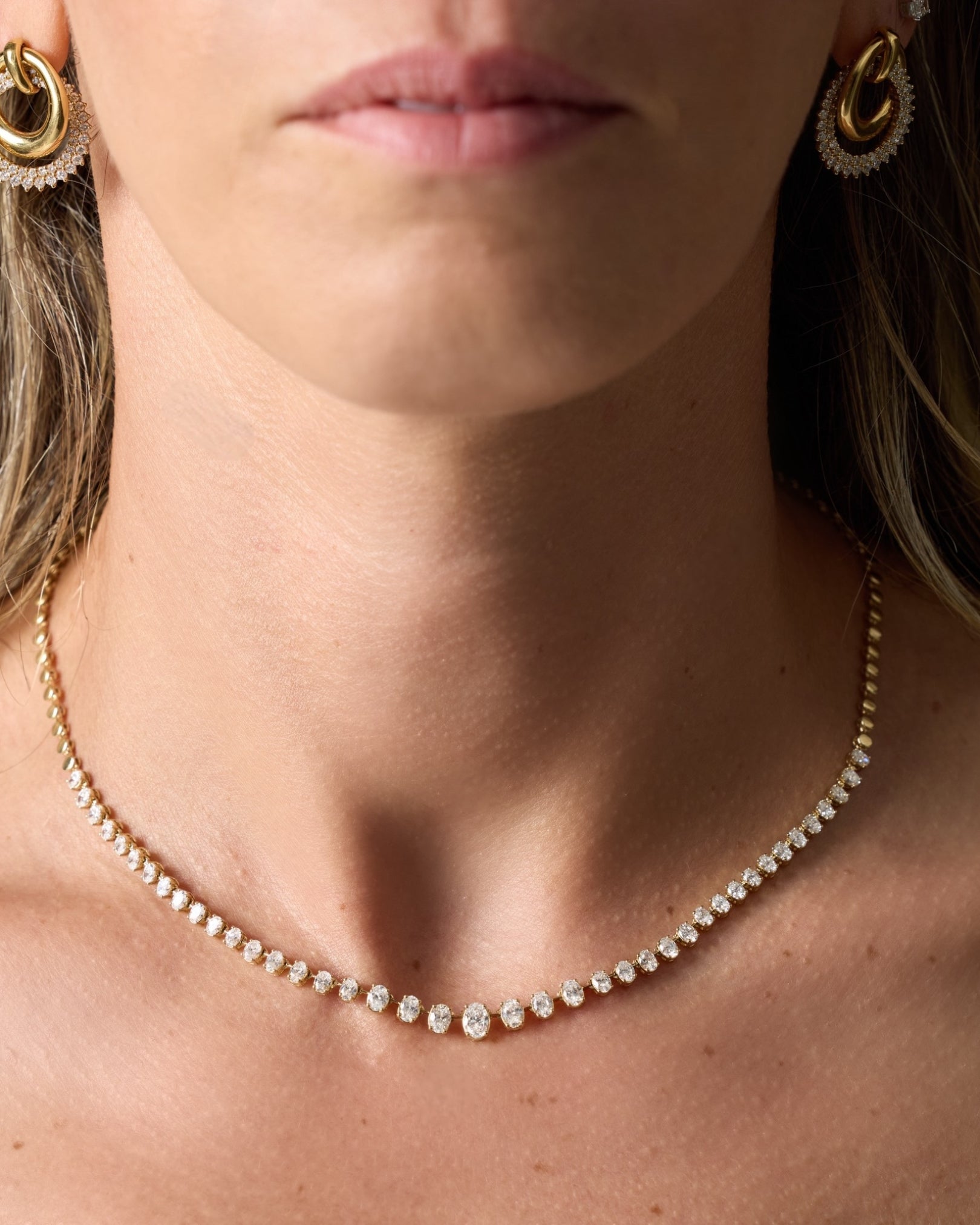
Pavé (from the French for "paved") covers the band with small diamonds set closely together, secured by tiny beads or prongs. The result is a surface that appears completely encrusted with stone.
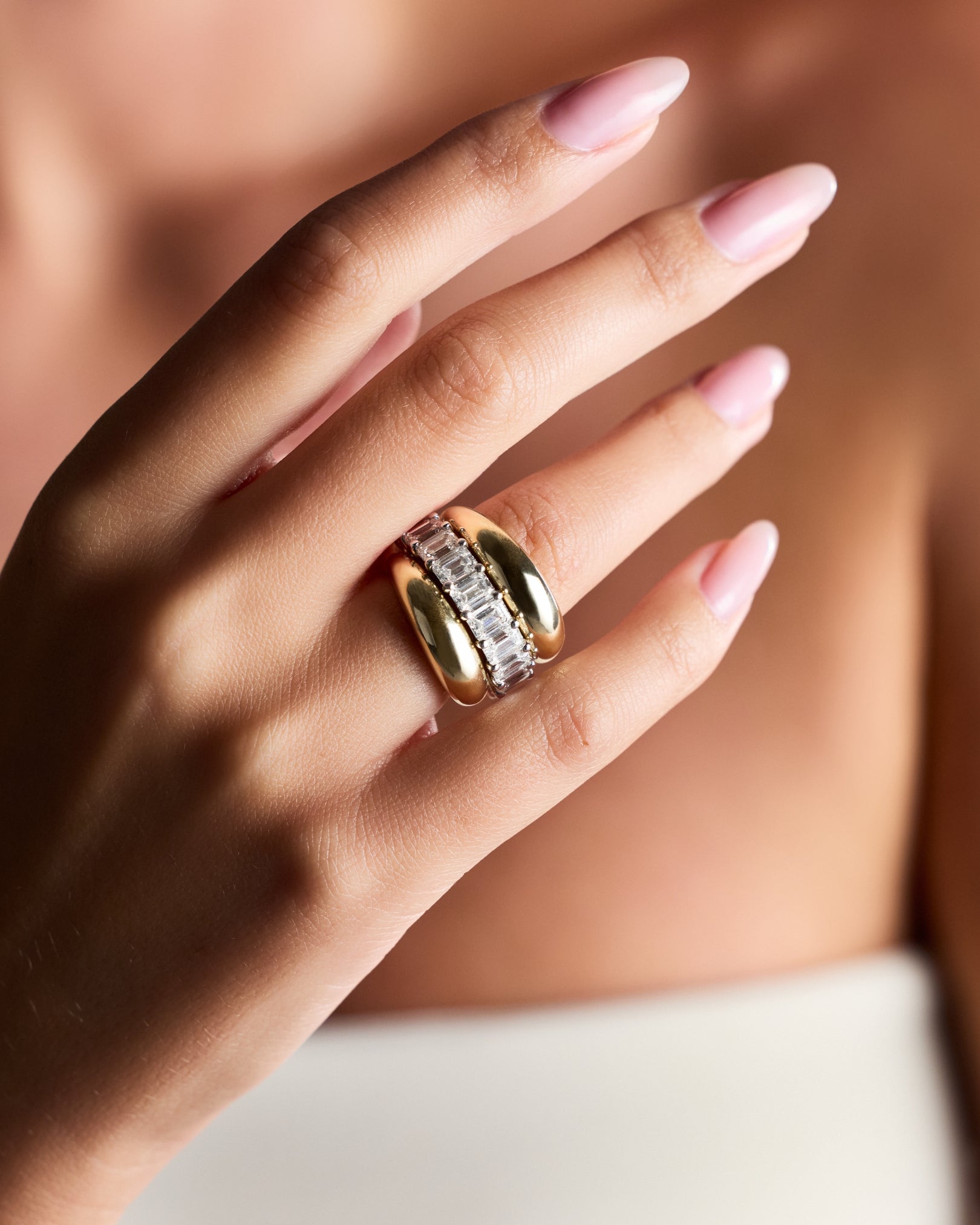
Why we love it: Pavé adds incredible dimension to a ring without adding bulk. It works beautifully as a standalone band and even better when stacked with other rings.
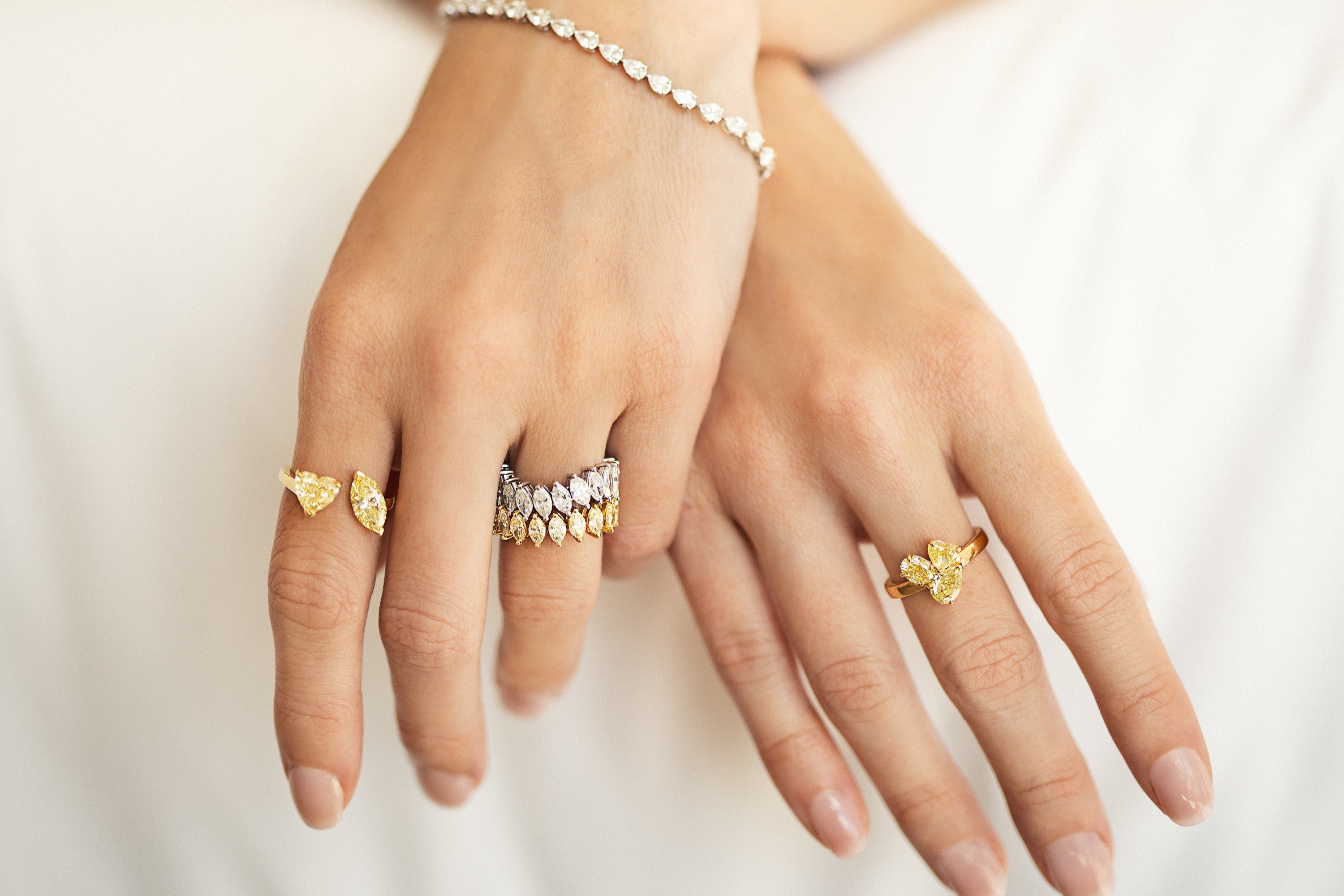
Who it's for: The stacker. The collector. The woman who layers her rings and wants each one to hold its own.

So, Which Setting Is Right for You?
- If you want something, you never have to take off → bezel
- If you want maximum brilliance and drama → prong
- If you want texture, layering potential, and shimmer → pavé
Most of our clients end up with all three. A bezel ring for everyday. A prong solitaire for occasions. A pavé band to stack alongside both. That's not indulgence — that's building a collection with intention.
Explore our full ring collection: jjjewelryshop.com/collections/rings
FAQ
What is the most durable diamond ring setting?
The bezel setting is the most durable option in fine jewelry. Because the gold wraps entirely around the diamond, it protects the stone from chipping, snagging, and loosening over time. It's the setting we recommend for anyone who wants to wear their ring every single day.
What is the difference between a bezel and a prong setting?
A prong setting uses small metal claws to hold the diamond above the band, maximizing light and brilliance. A bezel setting wraps a band of gold around the stone, securing it flush to the ring. Prong settings show more of the diamond; bezel settings offer more protection and a cleaner, more modern silhouette.
Which diamond ring setting makes the diamond look biggest?
A prong setting — particularly a four-prong solitaire — makes the diamond appear largest because it exposes the maximum surface area of the stone to light. The diamond has nowhere to hide, which amplifies its size and brilliance.
Is a pavé setting good for everyday wear?
Pavé settings are beautiful for everyday wear, but require slightly more care than bezel settings. The small diamonds are held by tiny prongs or beads that can loosen over time with heavy use. We recommend having a pavé ring checked by a jeweler once a year to ensure all stones are secure.
Can I stack rings with different settings?
Absolutely — and it's one of the most interesting ways to build a ring collection. A bezel band, a pavé eternity ring, and a prong solitaire stack beautifully together because each has a distinct silhouette and texture. The variety is what makes the stack feel intentional rather than accidental.