
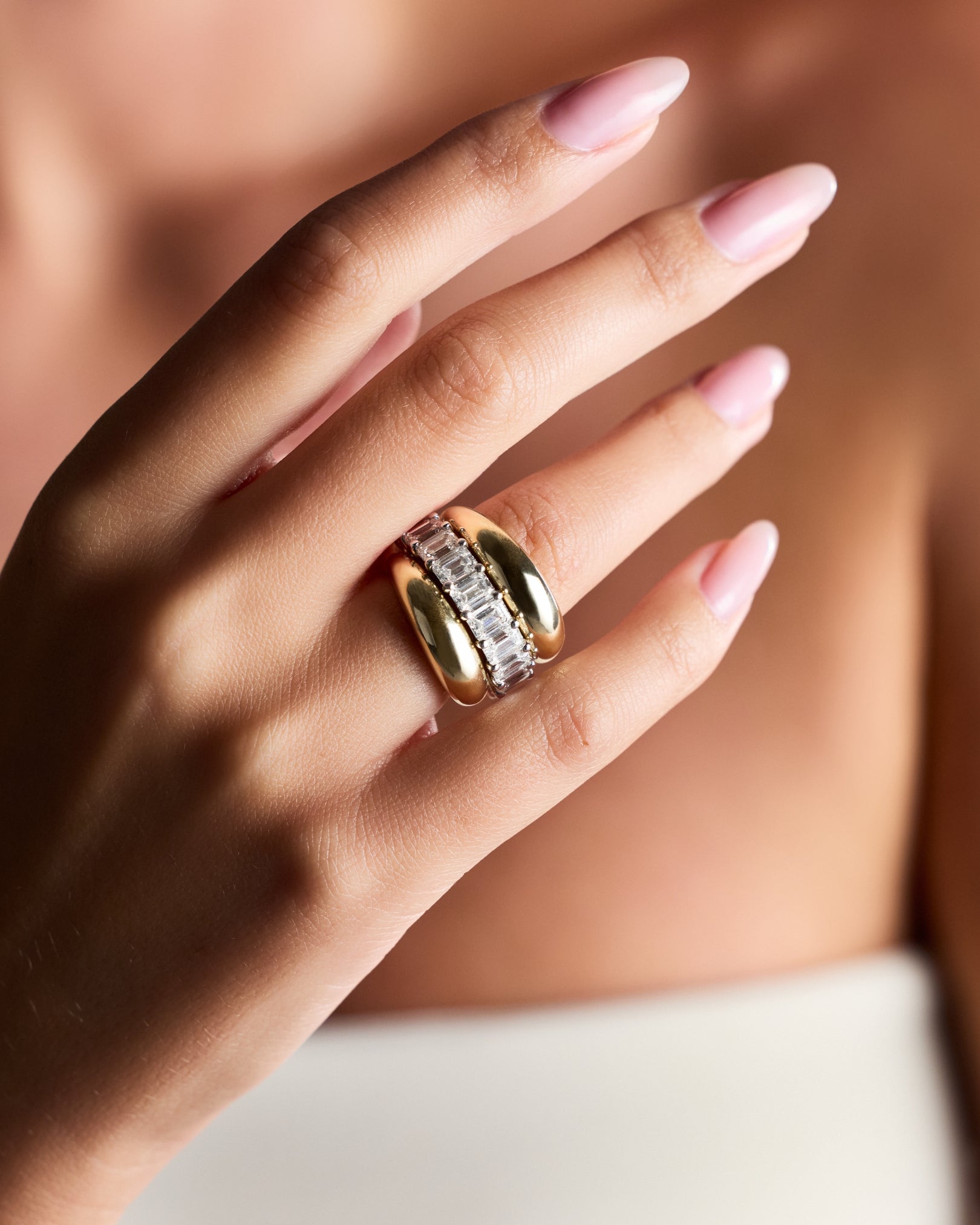


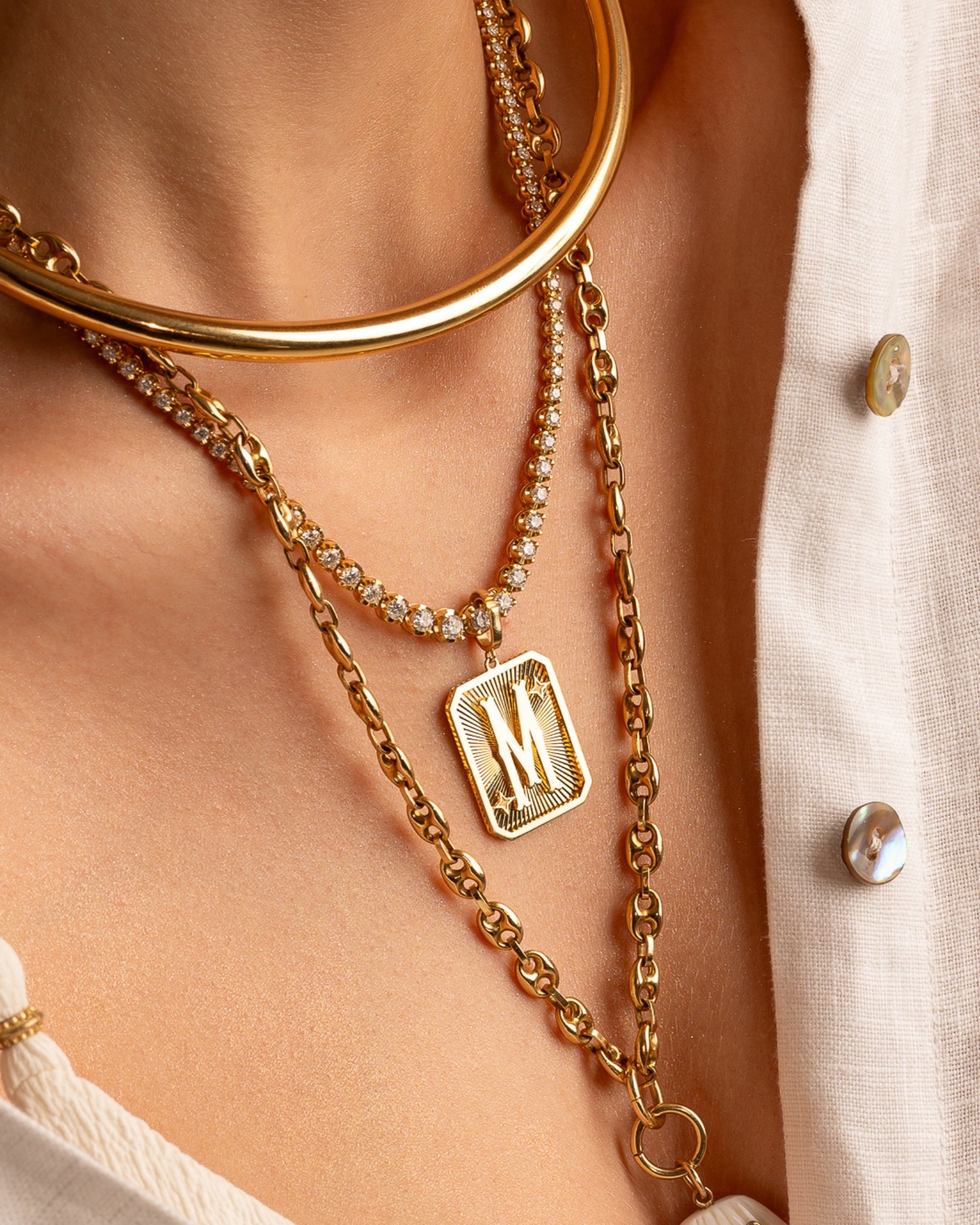
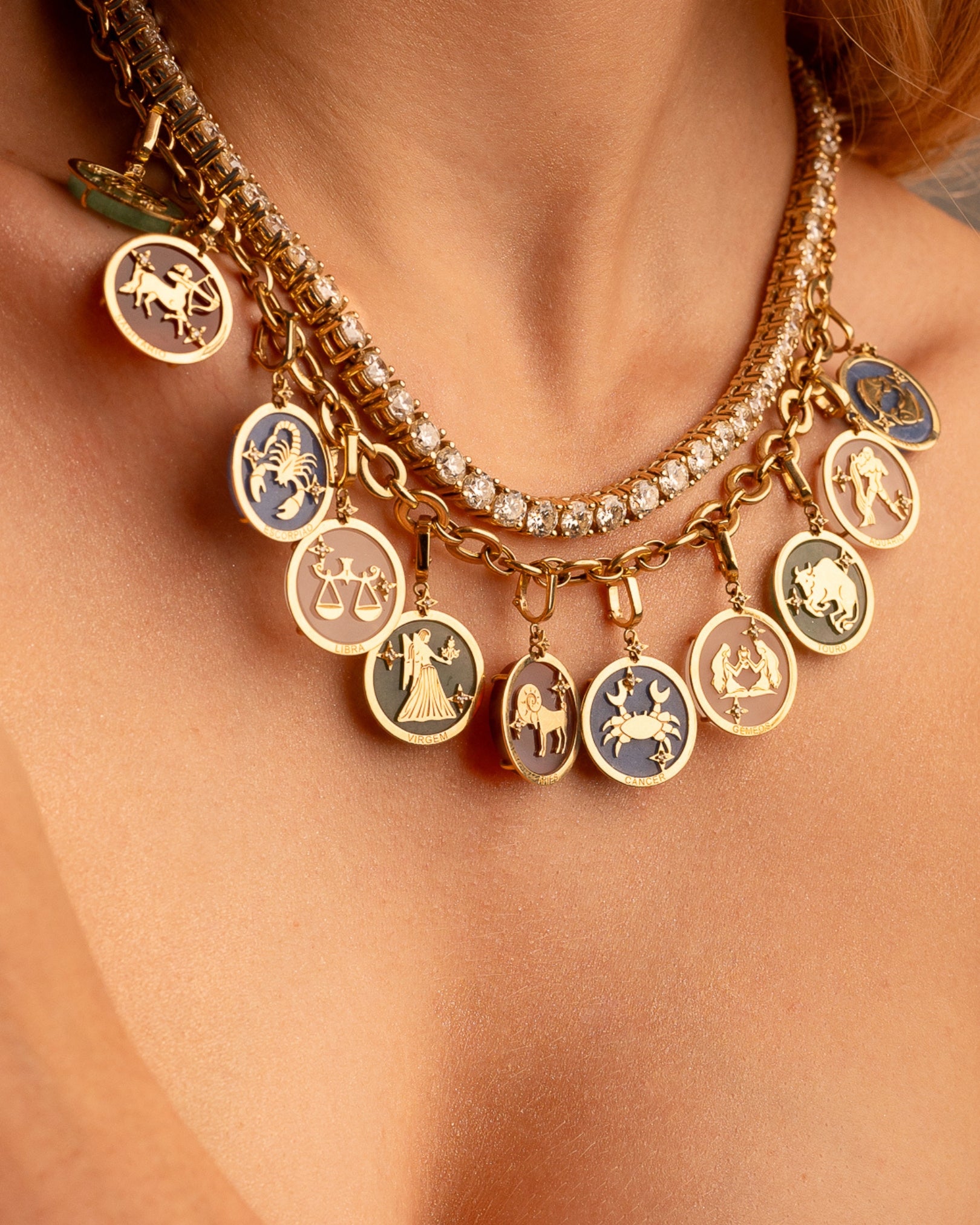

Fine Jewelry That Lasts: Why Gold and Diamonds Are Worth It
Most things you buy depreciate. Fine jewelry doesn't.
A designer handbag loses value the moment you use it. A car depreciates the moment it leaves the lot. But a well-made diamond ring, an 18K gold necklace, and a GIA-certified stone hold their value and, in many cases, appreciate over time.
That's not the main reason to buy fine jewelry. The main reason is that it's beautiful, and it makes the person wearing it feel something. But the fact that it also holds value changes the conversation from indulgence to investment. And that matters.
Gold: A Store of Value for Thousands of Years
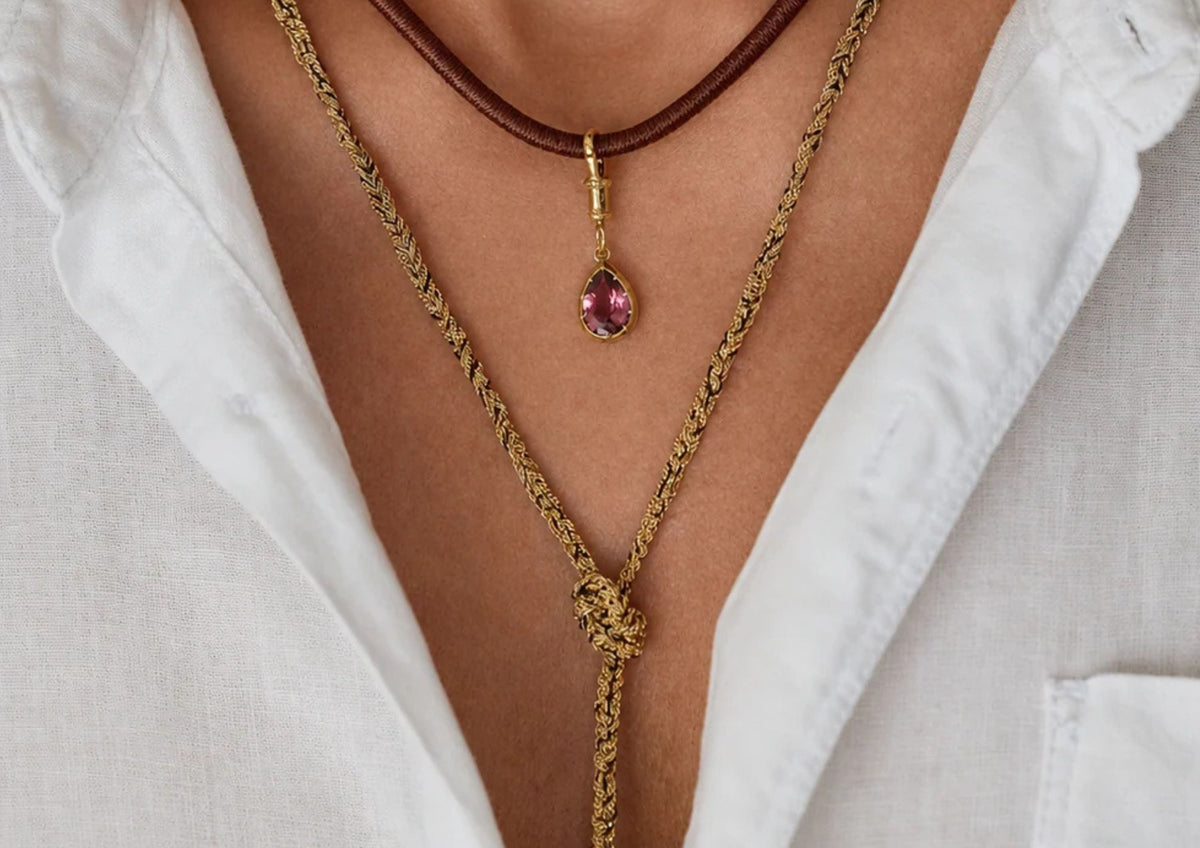
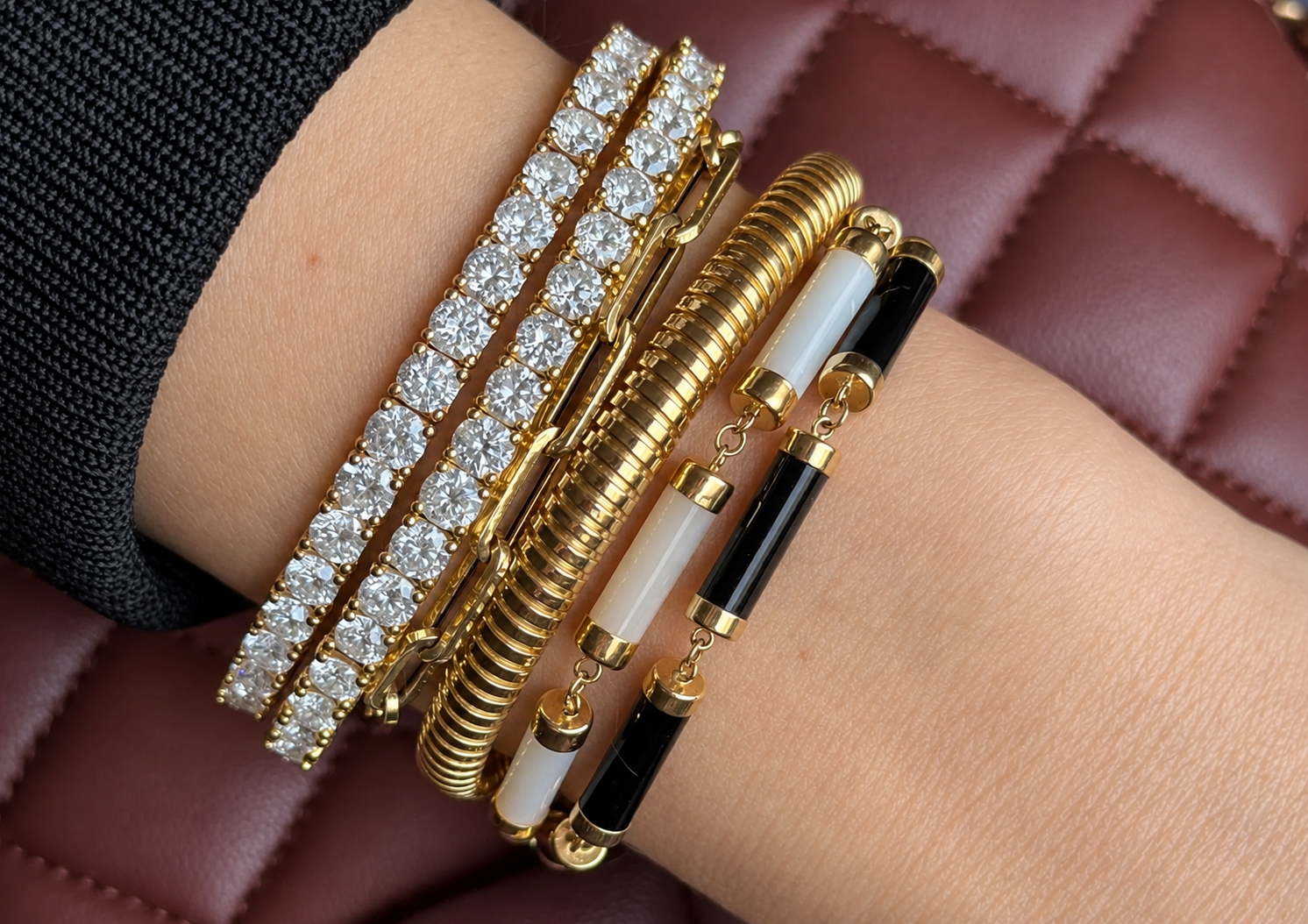
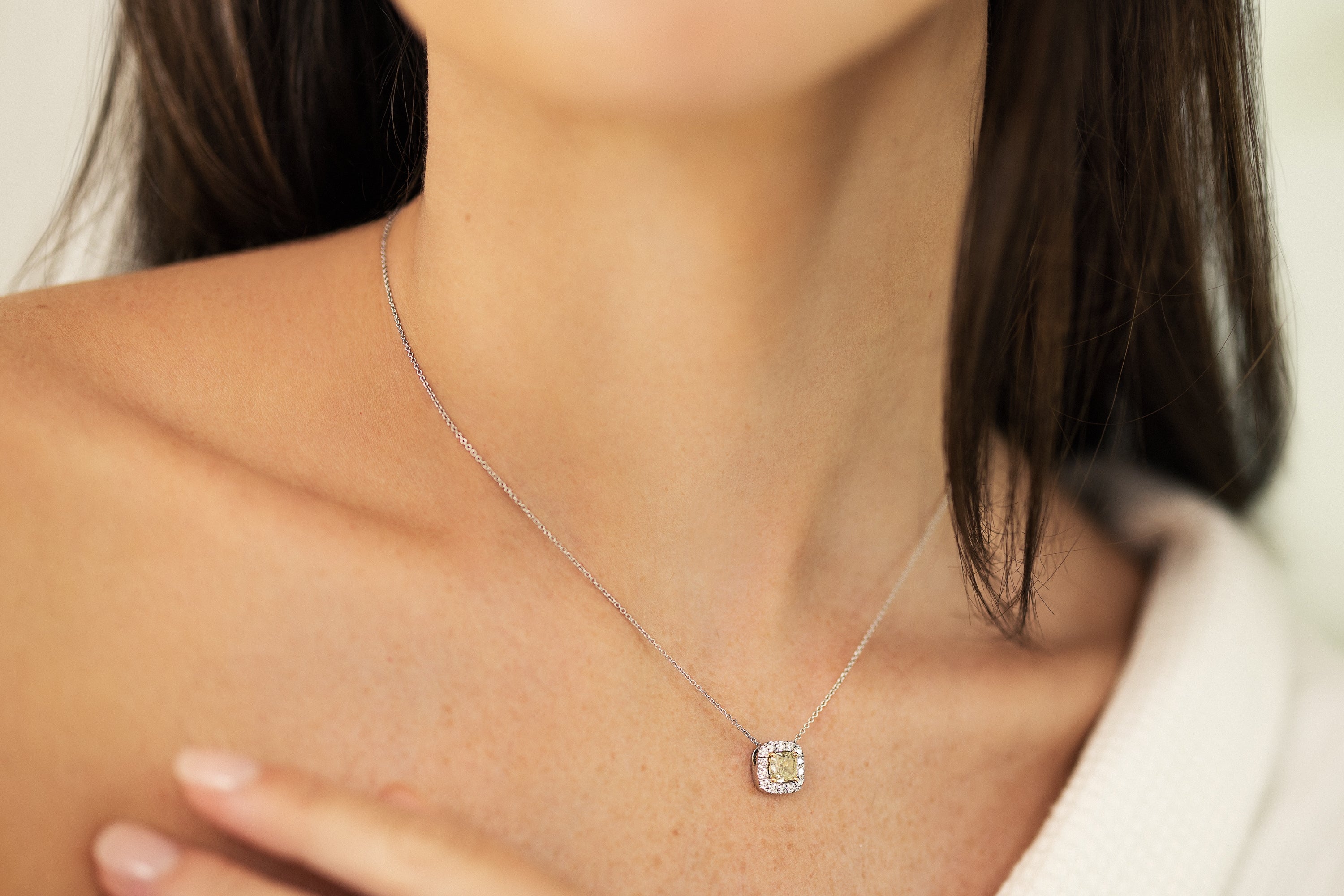
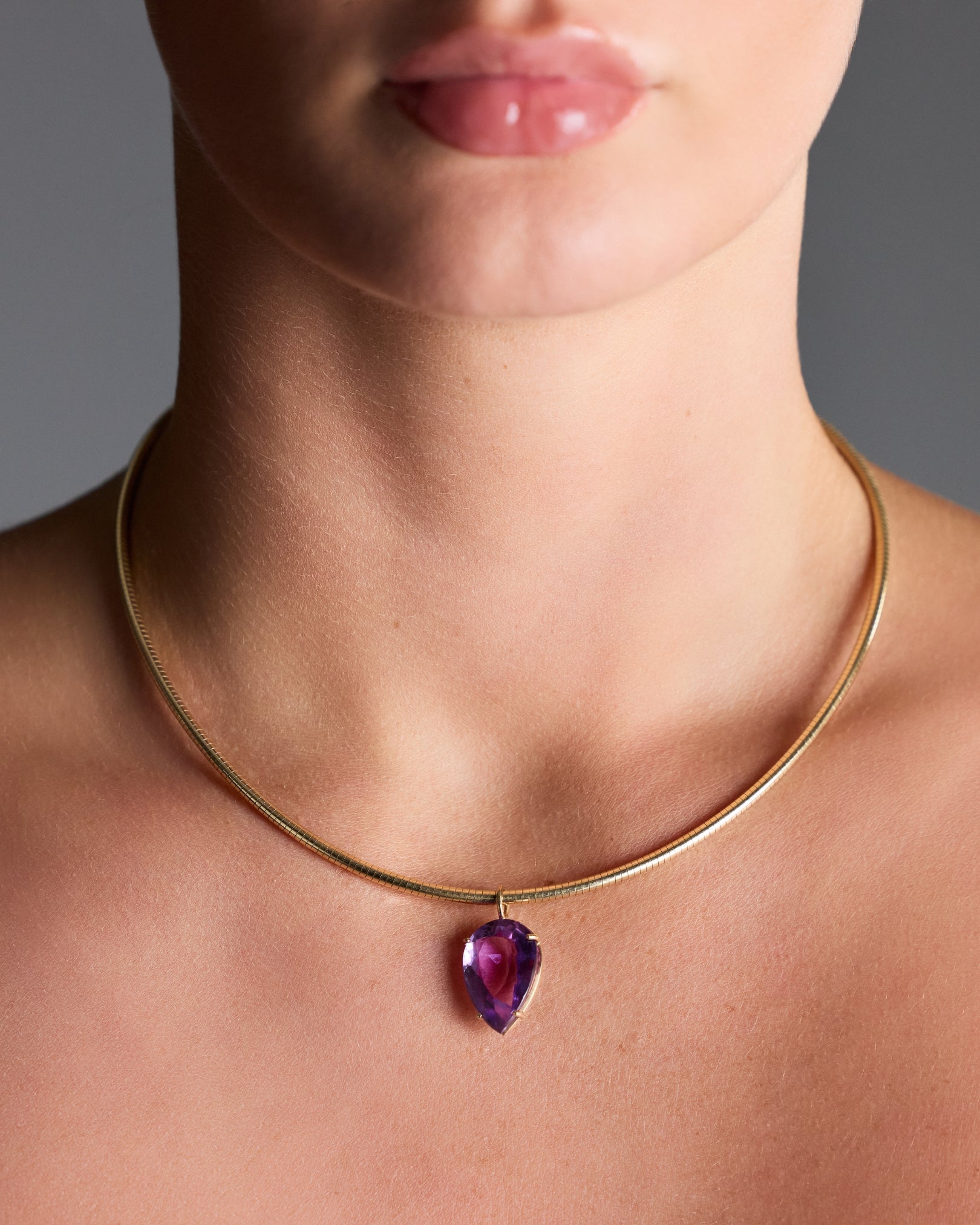
Gold has been a store of value for as long as human civilization has had commerce. It doesn't corrode. It doesn't tarnish. It doesn't deteriorate with time or use. A piece of 18K yellow gold jewelry worn every day for fifty years looks, with proper care, essentially the same as it did when it was made.
This durability is part of what makes gold jewelry worth its price. You're not buying something that will wear out or go out of style; you're buying something that will outlast you and can be passed on.
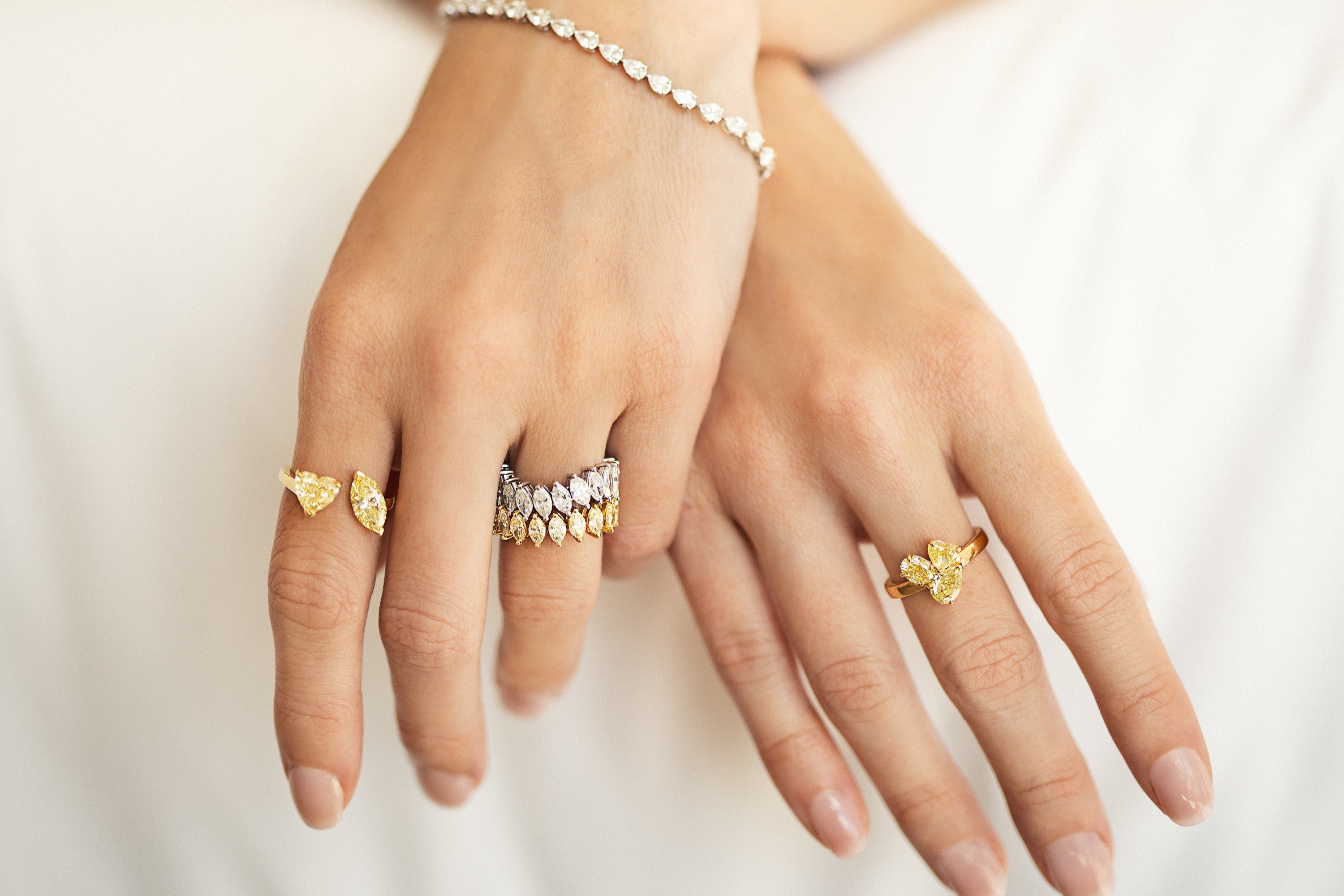
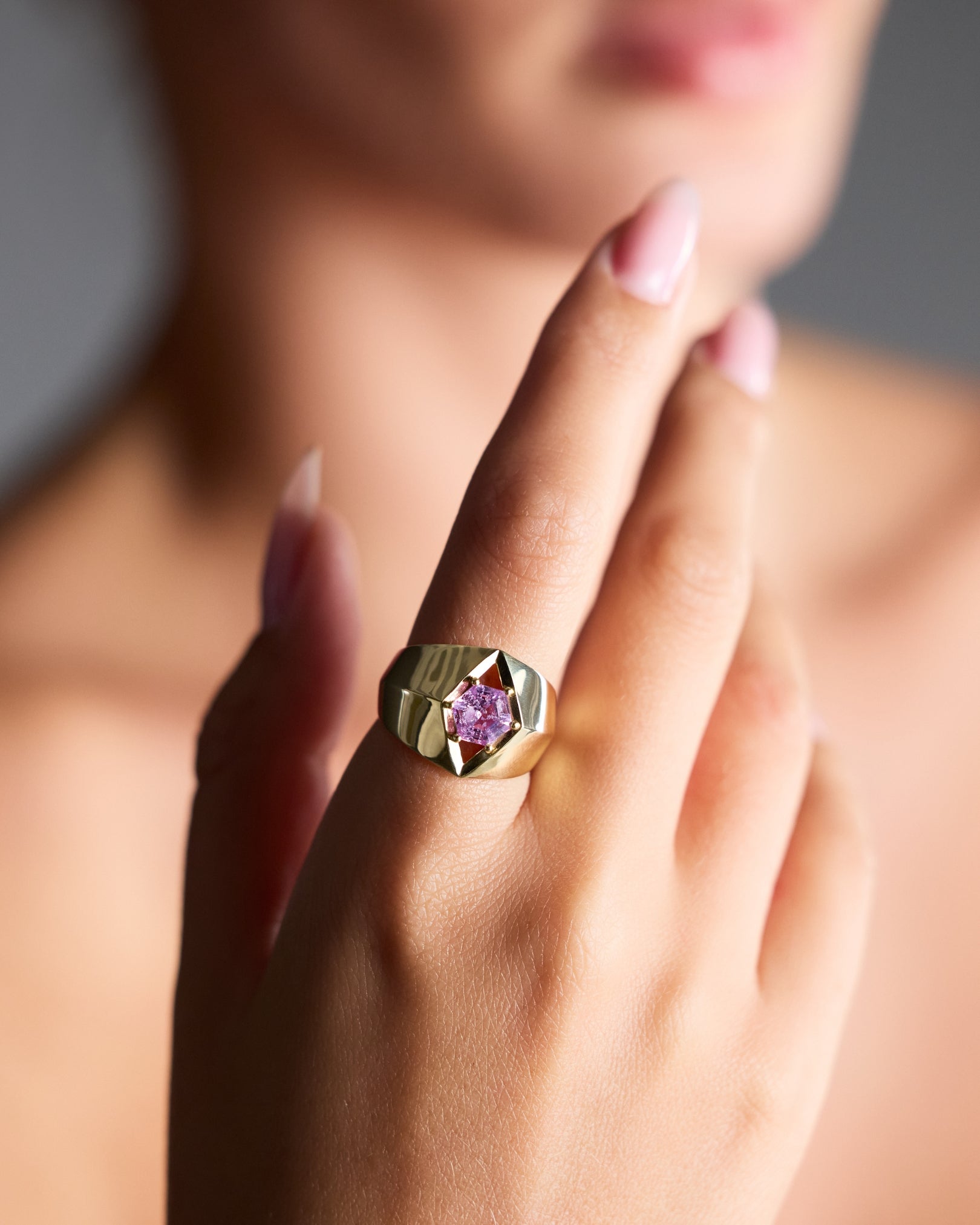
At JJ Jewelry, all our pieces are crafted in 14K or 18K gold. The difference: 14K (58.3% pure gold) is slightly more durable and better suited for pieces that take daily wear. 18K (75% pure gold) has a richer, more saturated color and is preferred for pieces where appearance is the priority.
Shop our gold collection: jjjewelryshop.com/collections/best-sellers
Diamonds: The Hardest Natural Substance on Earth
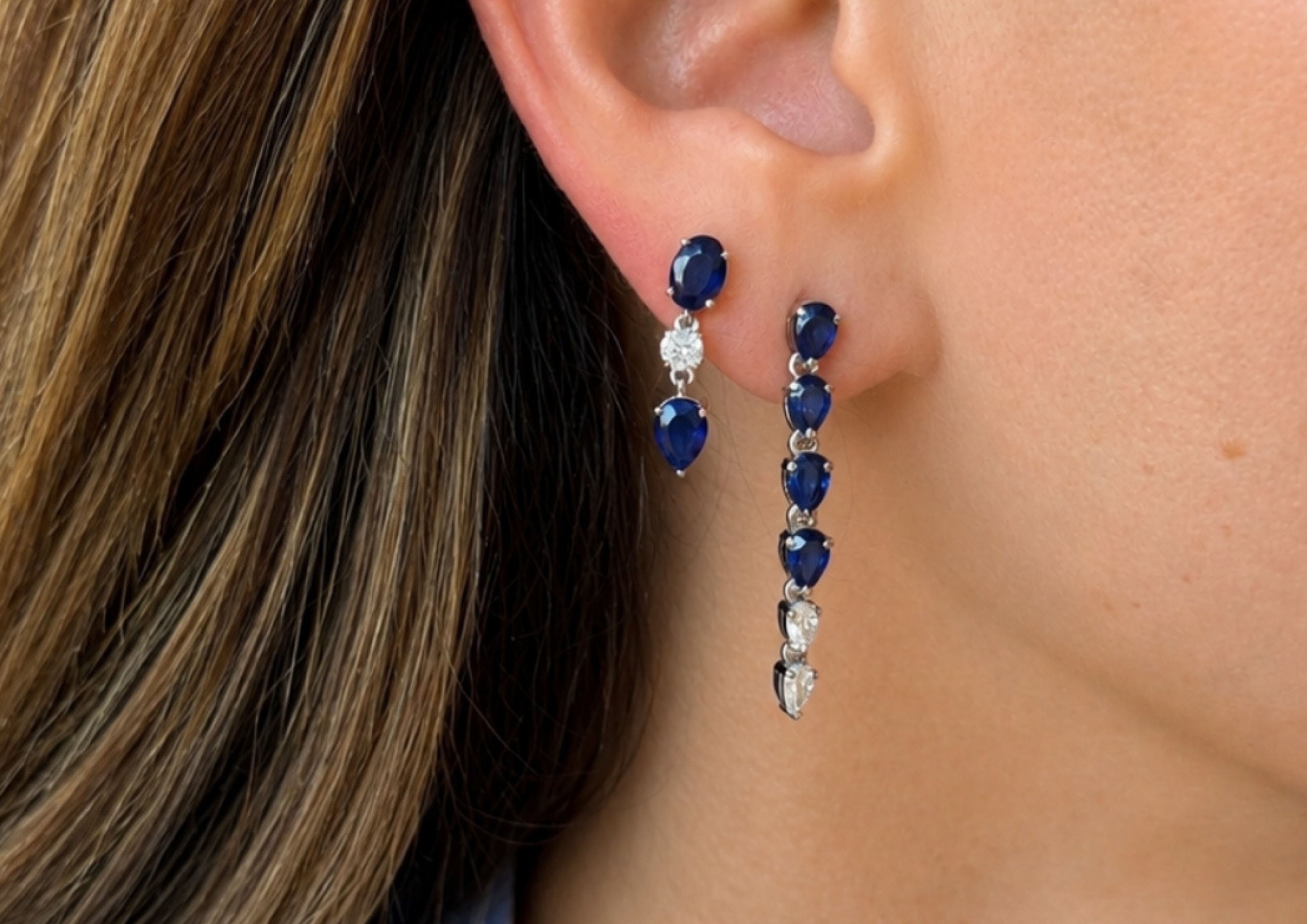
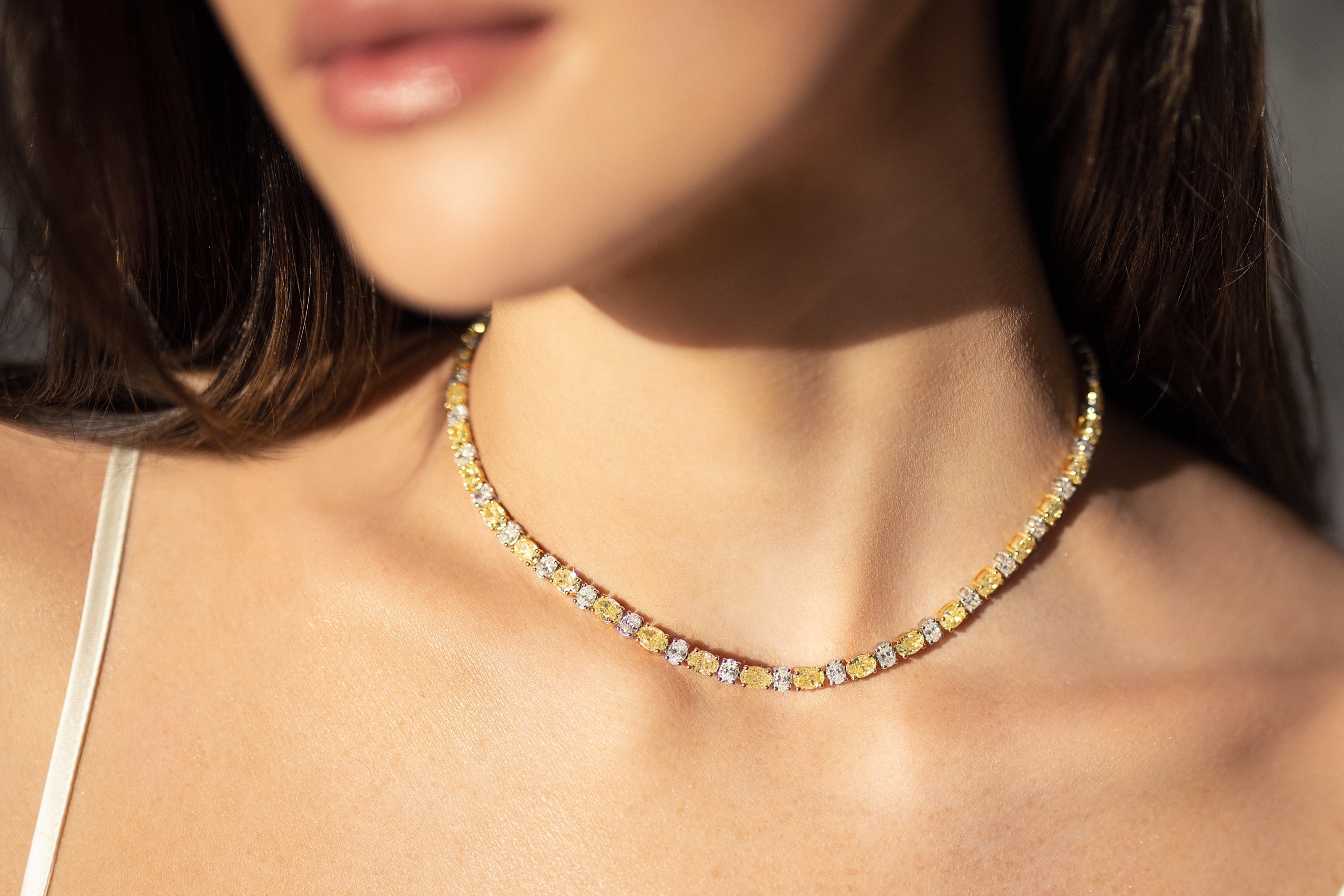
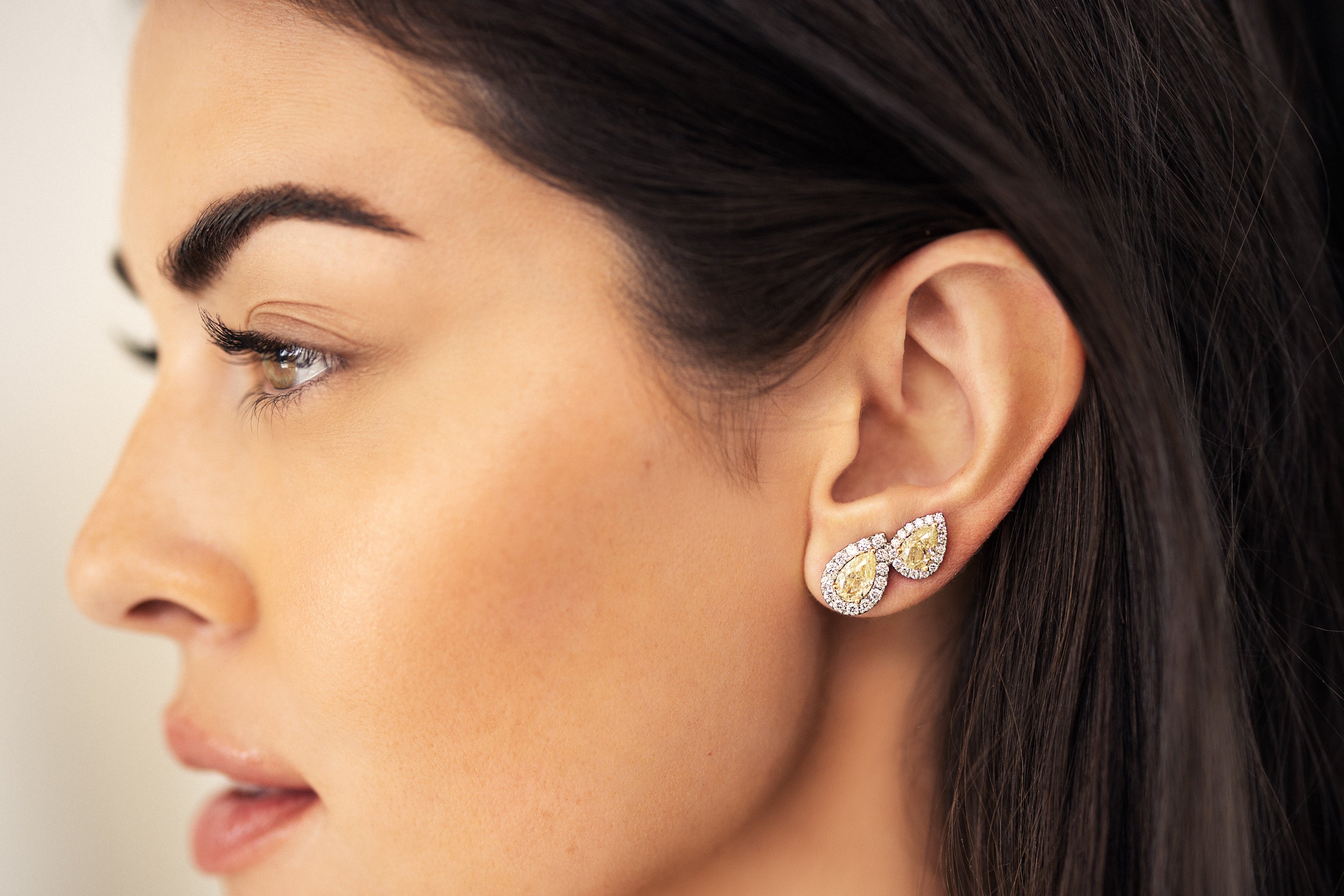
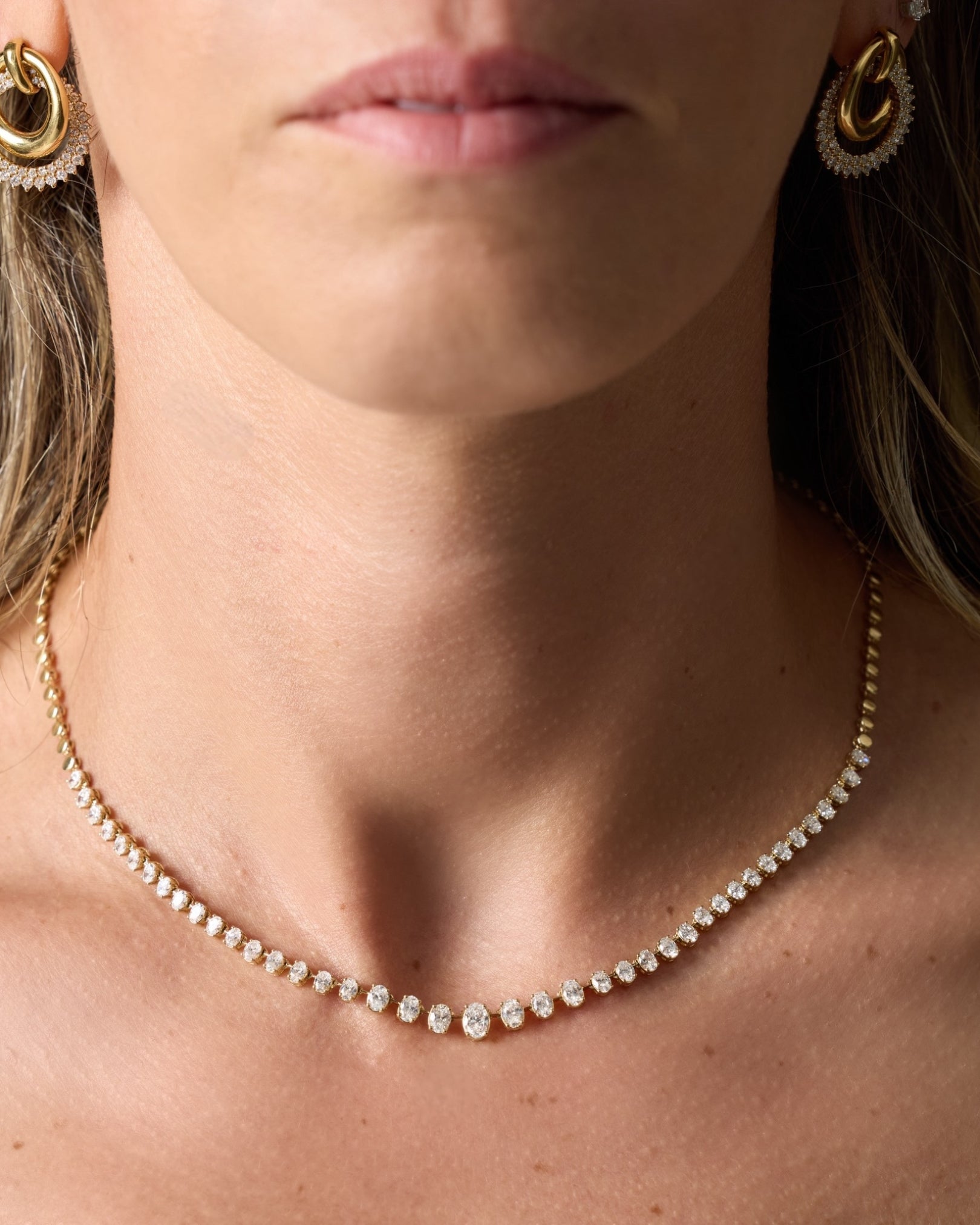
A diamond is the hardest natural substance on Earth, a 10 on the Mohs scale, meaning it can only be scratched by another diamond. This physical property makes diamonds uniquely suited to everyday jewelry. They don't wear down. They don't cloud over. A well-set diamond will look identical in twenty years
The Secondary Market for Fine Jewelry
Unlike most luxury goods, fine jewelry has a robust secondary market. GIA-certified diamonds, pieces from established jewelers, and high-quality gold pieces all retain a significant percentage of their retail value over time. This is especially true for pieces that are well-maintained, come with original documentation, and use premium materials.
This doesn't mean you should think of jewelry as a financial asset. But it does mean that a piece of fine jewelry is never truly "spent"; it can be resold, repurposed, or passed on with real monetary value intact.
The Cost Per Wear Calculation
Fine jewelry, when worn regularly, has one of the best cost-per-wear ratios of any luxury purchase.
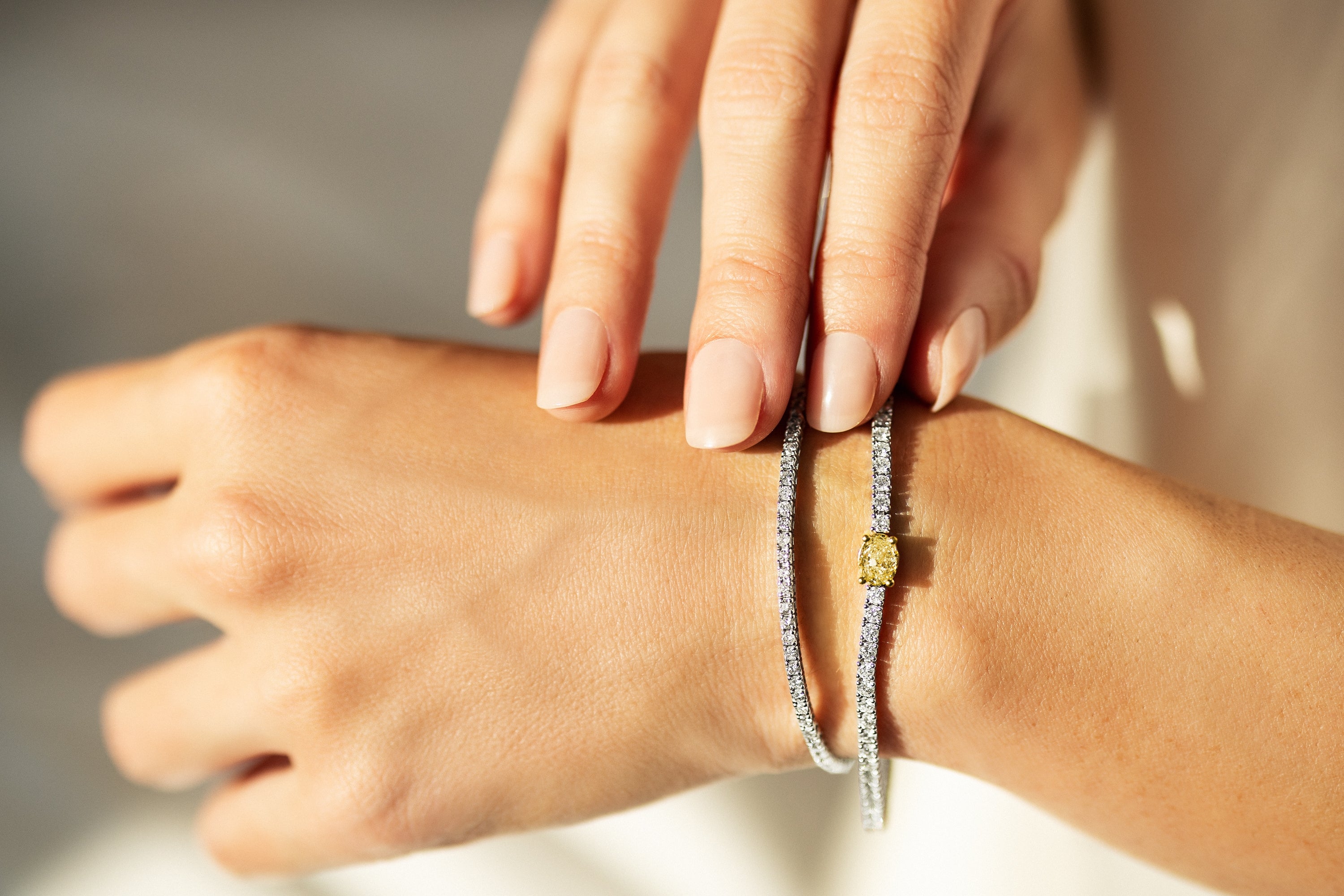
A $2,000 bracelet worn every day for five years costs less than $1.10 per day. Worn for ten years, it costs 55 cents per day. And at the end of those ten years, it still has resale value, which means your actual cost is even lower.
Compare that to a $500 bag that you use twice a year for three years, then replace. The math tells a different story.
Jewelry as Legacy
The most compelling argument for fine jewelry isn't financial, it's personal. A piece of fine jewelry can be passed from one generation to the next. It carries the story of who wore it, when, and why.
At JJ Jewelry, Janice Grunwald designs every piece with this in mind. These are not items of the moment. They're made to be worn every day and inherited with meaning.
FAQ
Is fine jewelry a good investment?
Fine jewelry is not a traditional financial investment, but it is one of the few luxury purchases that holds and sometimes appreciates in value over time. GIA-certified diamonds, pieces crafted in 14K or 18K gold, and jewelry from established jewelers all retain a significant portion of their retail value. More importantly, fine jewelry is an investment in beauty, craftsmanship, and legacy.
Does gold jewelry hold its value?
Yes. Gold is one of the most stable stores of value in human history and has been for thousands of years. 14K and 18K gold jewelry retains value because of the intrinsic worth of the metal itself and the craftsmanship involved in creating the piece. Gold jewelry can be resold, melted down, or passed on, and in each case, its value travels with it.
Are diamond rings worth buying?
Diamonds are the hardest natural substance on earth and do not deteriorate with wear. A well-maintained diamond ring will look identical in twenty years and can be appraised and resold at a meaningful percentage of its purchase price.
What is the difference between 14K and 18K gold jewelry?
14K gold is 58.3% pure gold alloyed with other metals for durability; it's ideal for everyday pieces like rings and bracelets that take more wear. 18K gold is 75% pure gold and has a richer, more saturated yellow color; it's preferred for statement pieces and high jewelry. Both are excellent quality; the choice depends on how the piece will be worn.
How long does fine jewelry last?
Fine jewelry made in 14K or 18K gold and set with diamonds can last for generations with proper care. Gold does not corrode or tarnish, and diamonds are the hardest natural substance on earth. A well-maintained piece of fine jewelry from JJ Jewelry will look the same in fifty years as it does today, which is why we consider every piece an heirloom in the making.